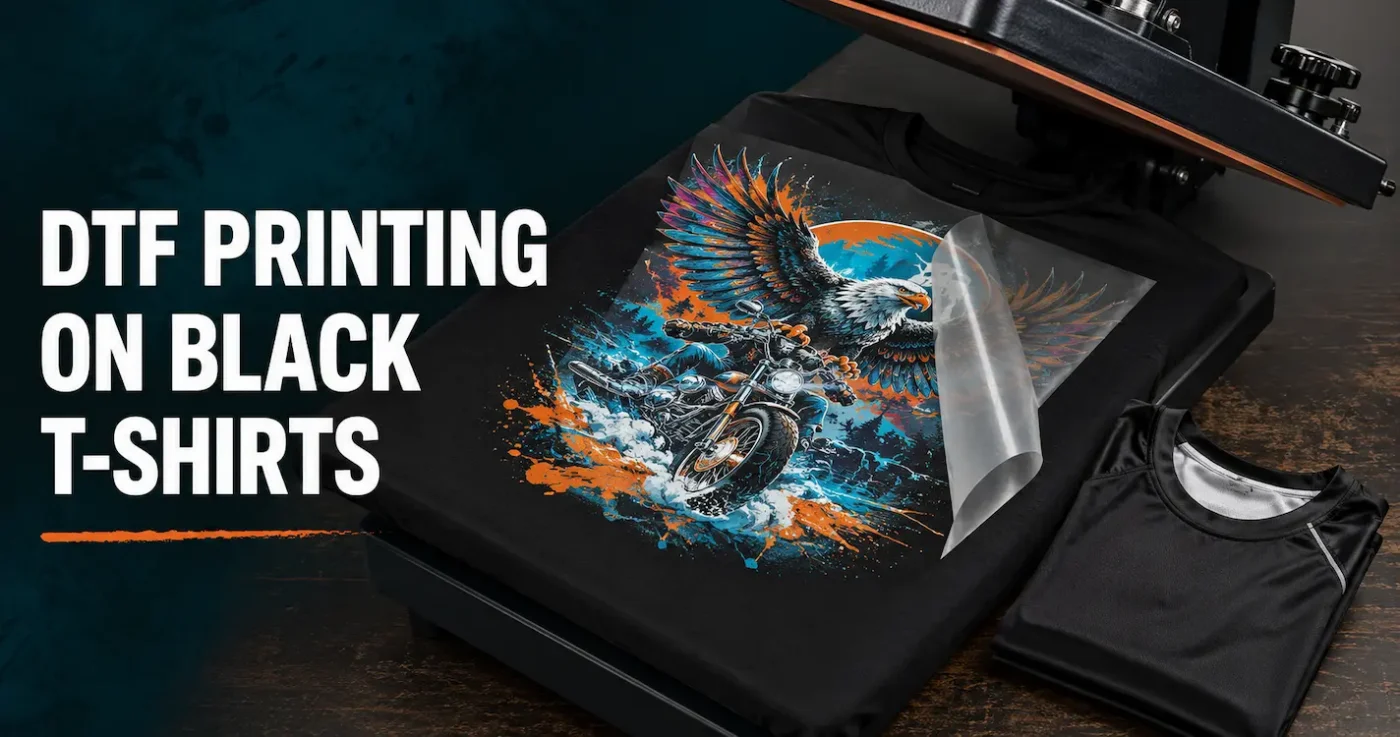
Black T-shirts make an excellent background for DTF printing, but the best result depends on the artwork, garment and heat-press settings working together. Learn how to prepare the design, use the shirt as negative space, choose between cotton and polyester, and avoid common pressing problems.
Author Archives: David Seth
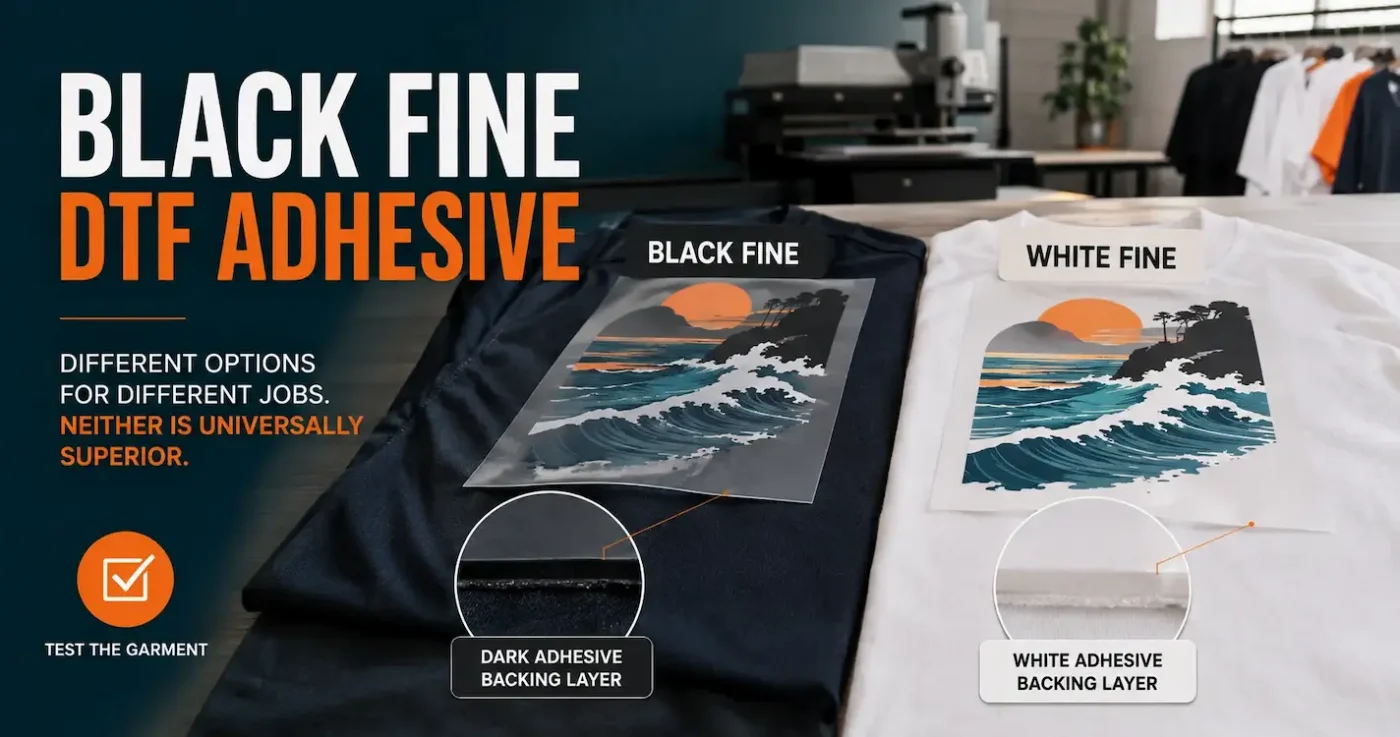
Black Fine DTF adhesive can be useful for selected dark and dye-prone garments, but it is not automatically better than White Fine. Learn what it does, where it may help and why testing is essential.
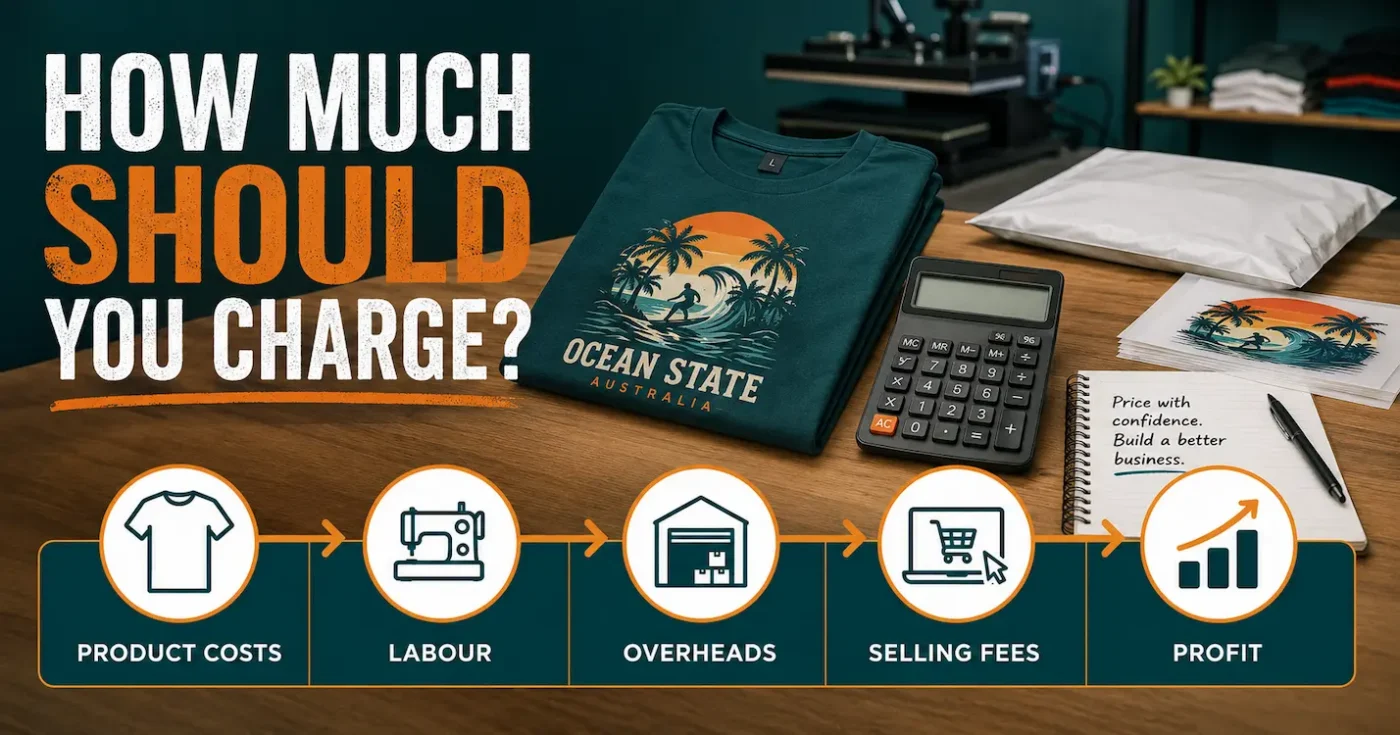
A profitable T-shirt price must cover much more than the blank garment and transfer. Learn how to include labour, overheads, wastage, selling fees and GST treatment, then calculate a price using your target margin.
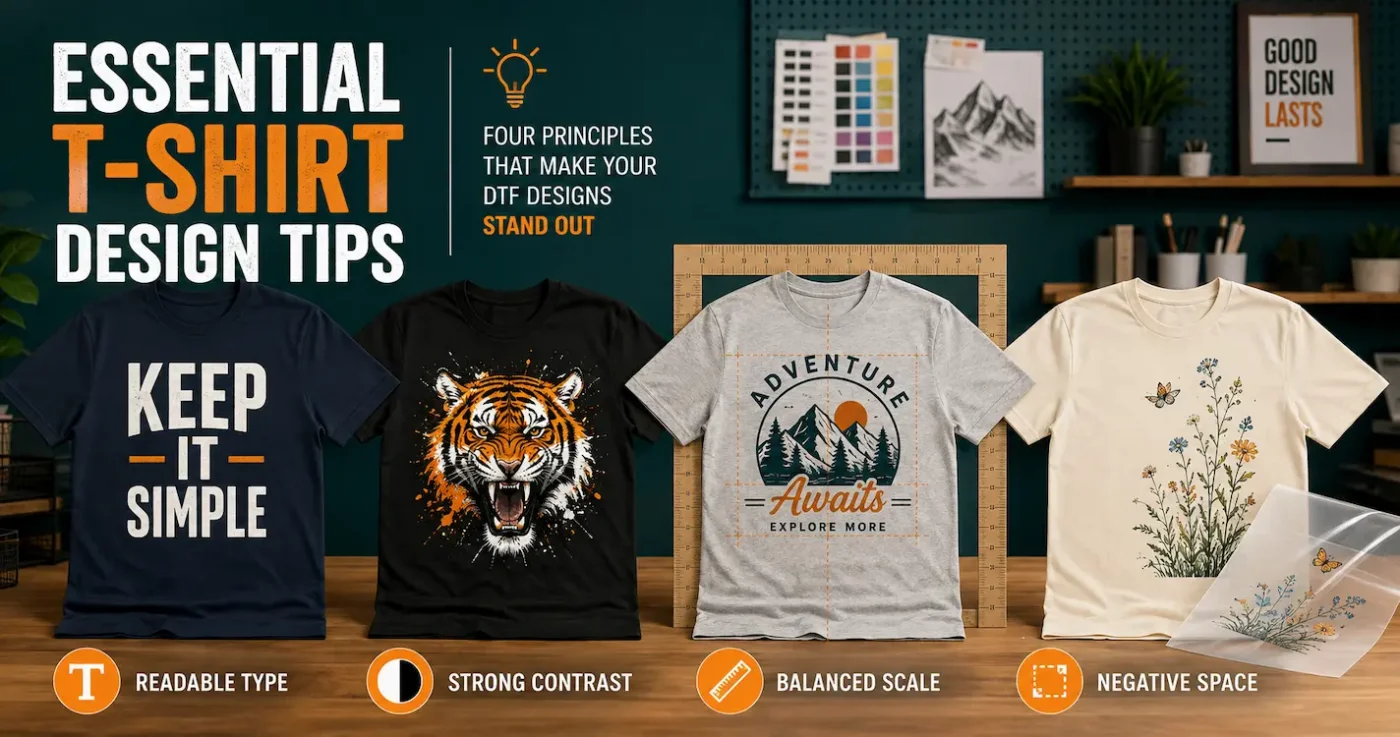
Great T-shirt artwork must work on fabric, not only on a screen. Use these practical tips to improve typography, contrast, composition, print size, placement and negative space before ordering your DTF transfers.
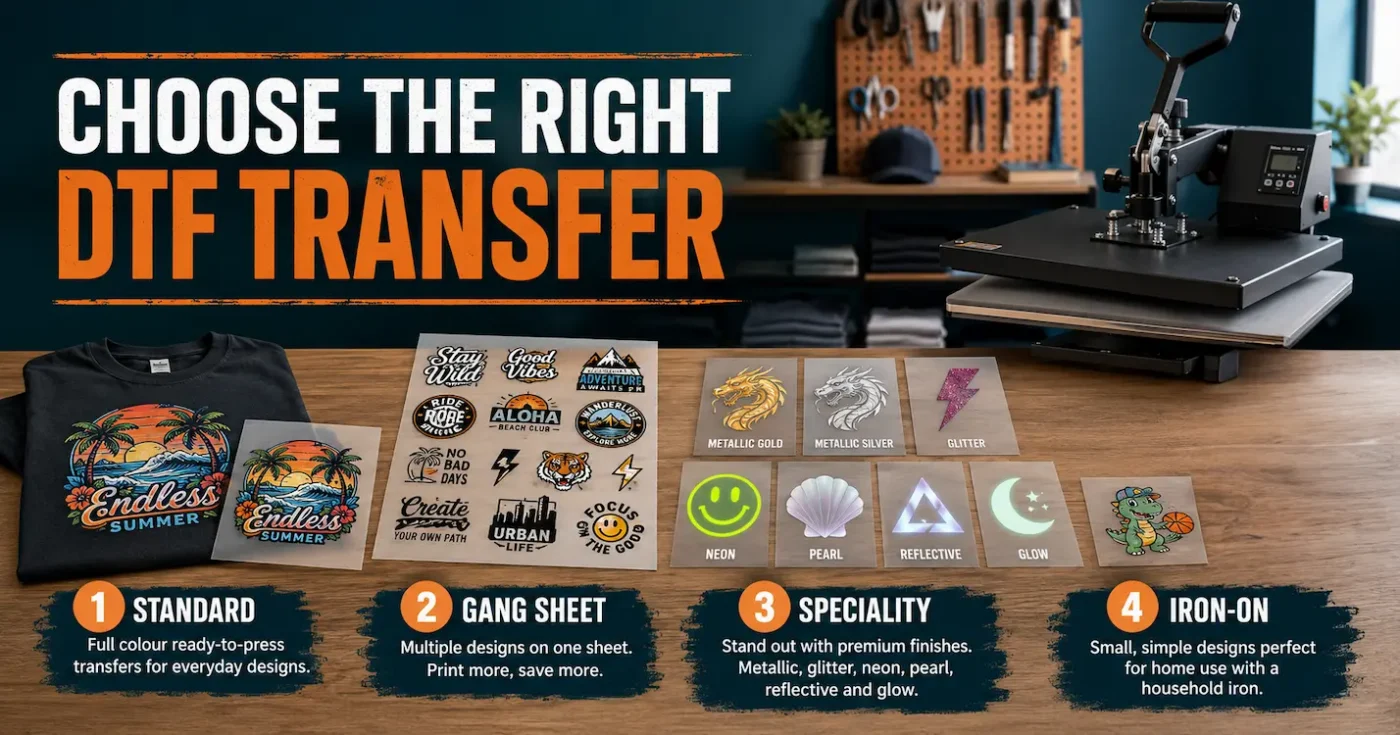
Not every DTF transfer suits every project. Compare standard ready-to-press transfers, gang sheets, speciality finishes and the separate iron-on range, then choose the best option for your artwork, garment and equipment.
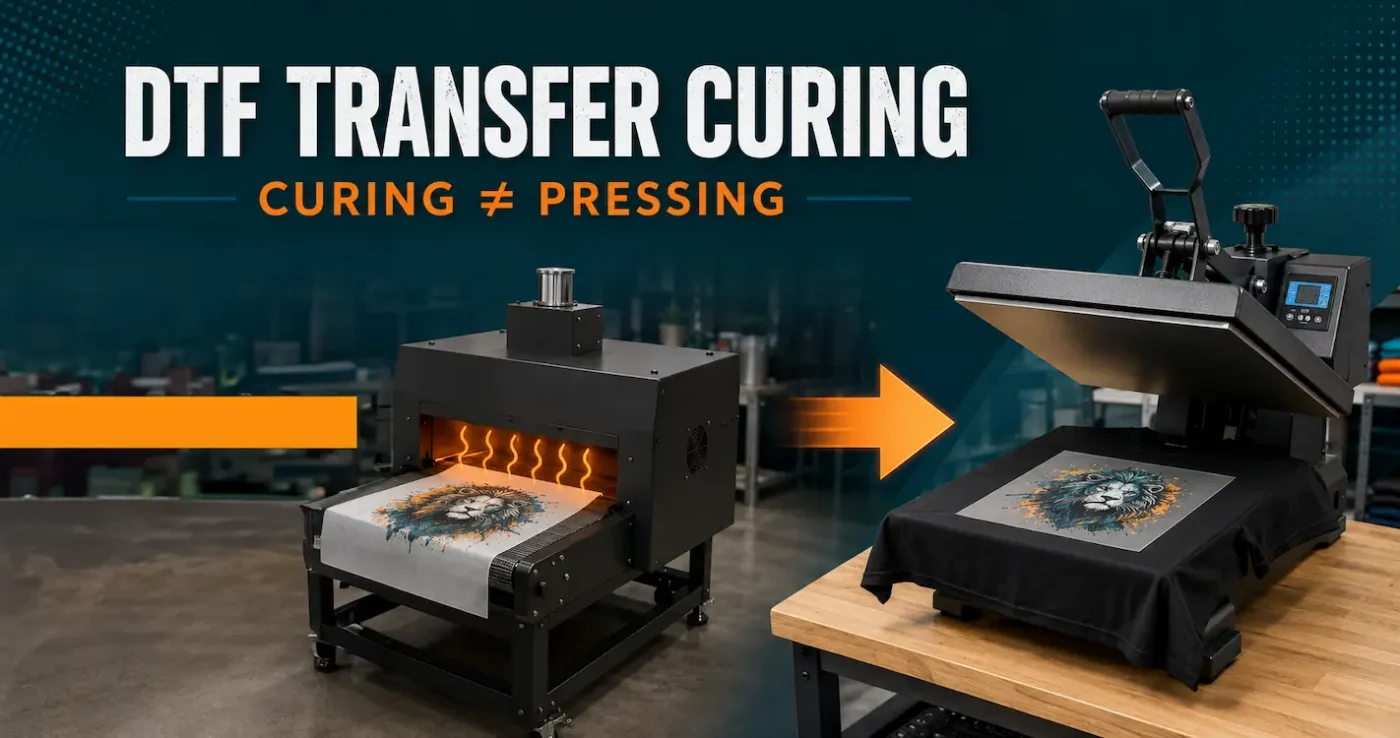
DTF transfer curing happens during production, before a transfer reaches your heat press. Learn how curing affects adhesion and durability, how it differs from pressing, and how to apply ready-to-press transfers correctly.
Social media can turn a niche aesthetic, joke or community reference into a T-shirt trend almost overnight—but likes do not guarantee sales. This 2026 guide explains how TikTok, Instagram, Pinterest and online marketplaces shape demand, which design signals are emerging and how to test ideas before investing in stock.
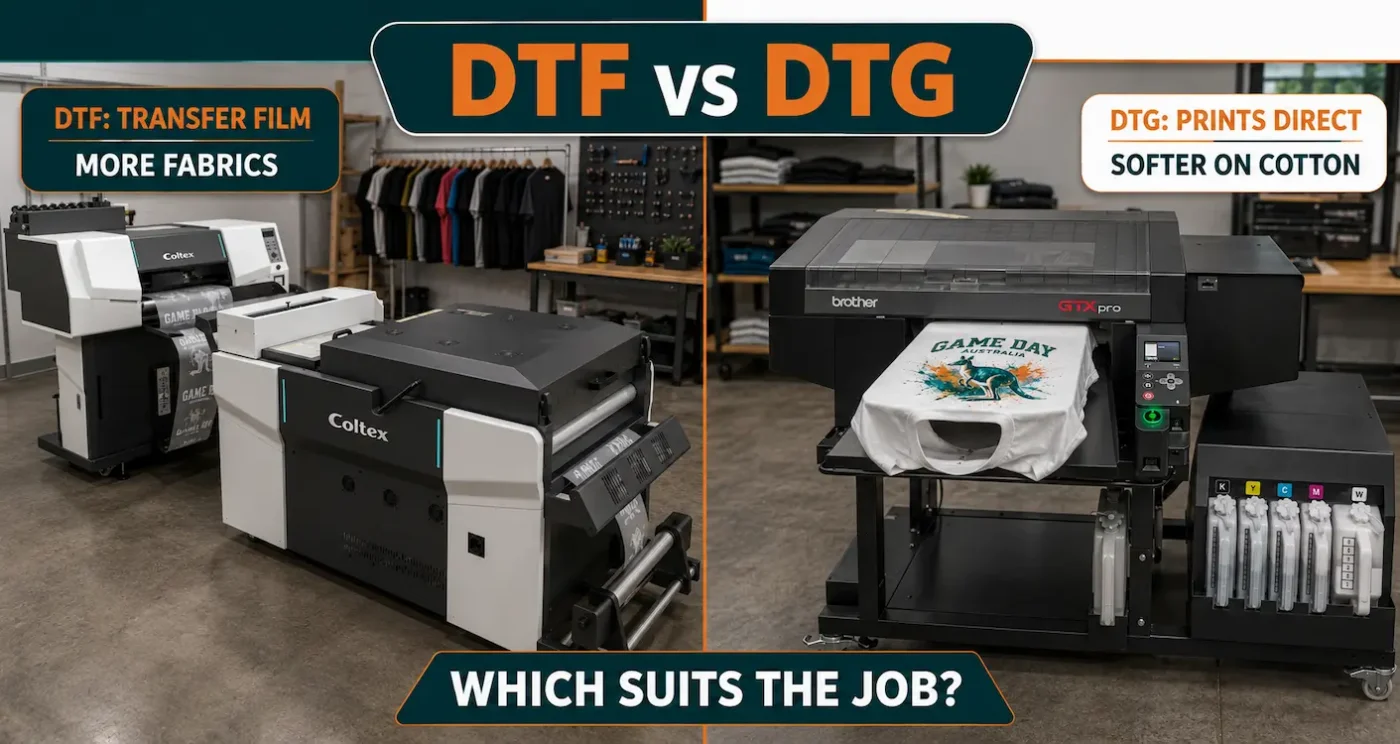
DTF prints artwork onto transfer film before heat application, while DTG prints ink directly onto the garment. Neither process wins every job. This practical comparison explains the differences in fabric compatibility, print feel, colour, durability, production workflow and cost so you can choose with realistic expectations.
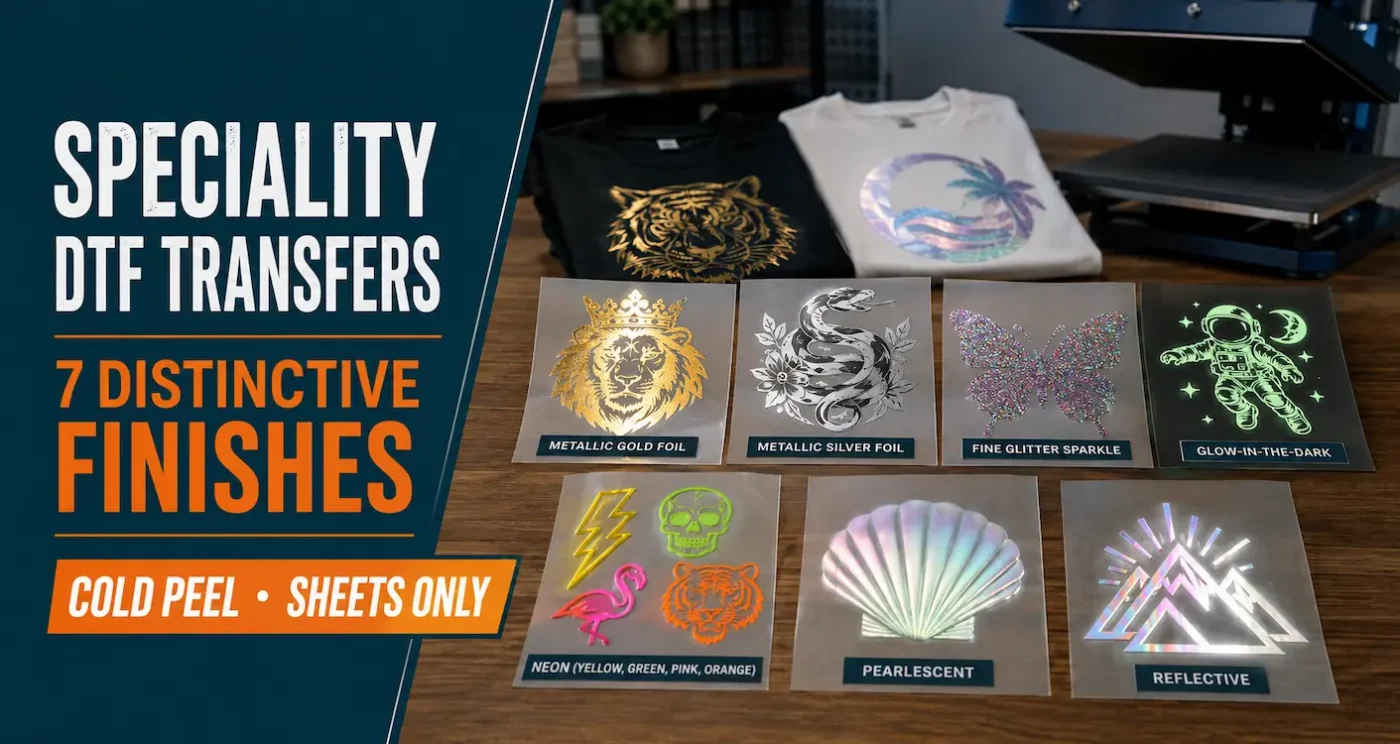
Specialty DTF is a cold-peel cut sheet: foil, glitter, glow, neon, pearl, or reflective. It is not a gang sheet and it is not iron-on. Cotton and most fabrics: 160°C for 8 seconds, cool completely, then peel. Polyester: 120°C for 30 seconds, cold peel, then 10 seconds at 120°C. An EasyPress is fine when the platen covers the design.
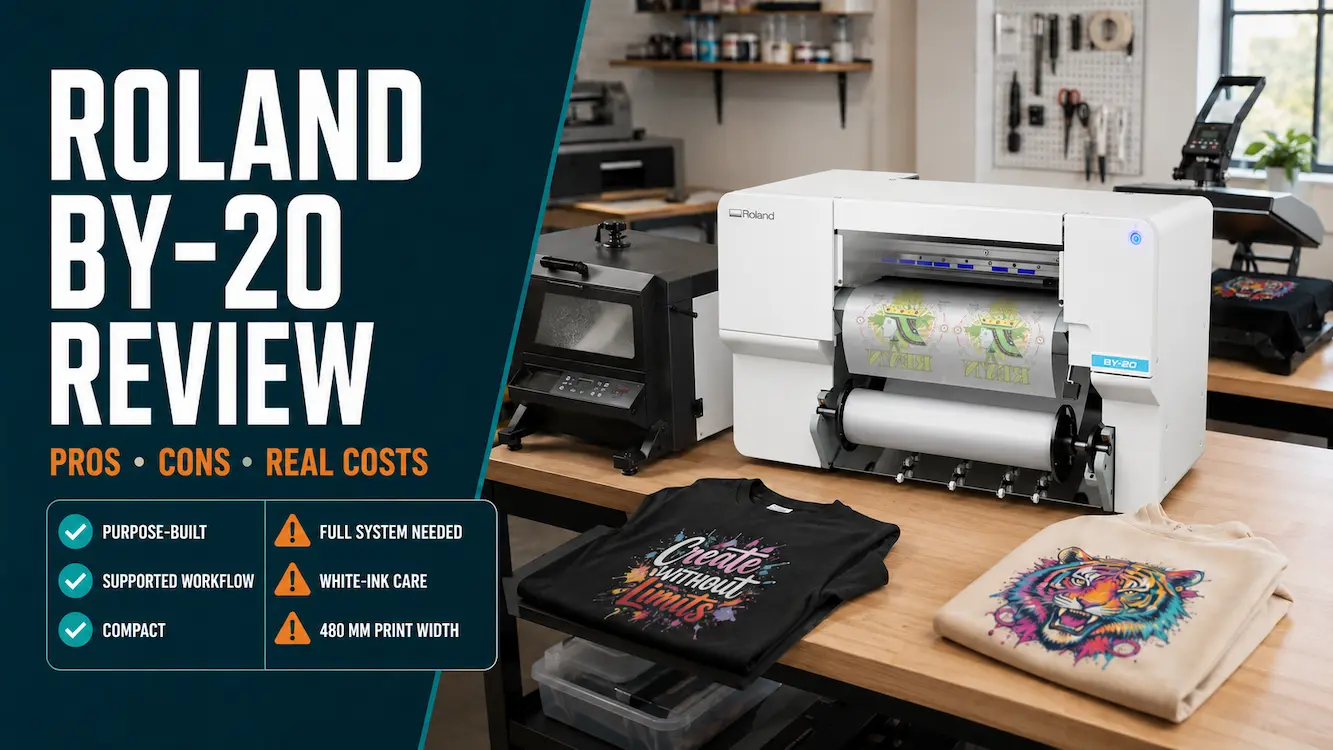
The Roland VersaSTUDIO BY-20 replaced the BN-20D as Roland DG Australia’s compact desktop DTF printer. It offers a purpose-built 20-inch system, integrated cutting, recognised software and local dealer support—but it still requires powder, curing, ventilation, maintenance and realistic production planning. This independent review examines the benefits and drawbacks before you buy.