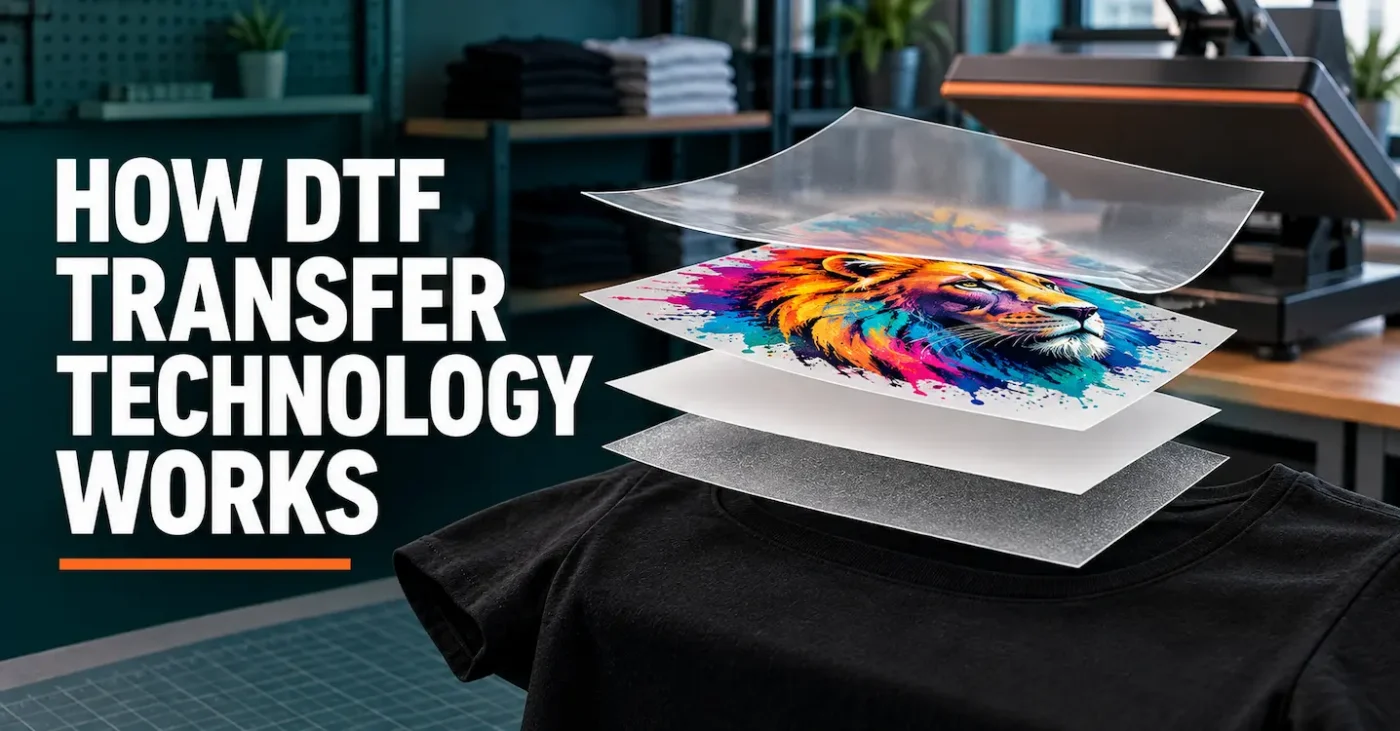
DTF transfer technology is a connected production system, not just a printer. Learn how artwork, RIP software, CMYK and white ink, coated film, adhesive, curing, heat, pressure and peel behaviour work together to create a ready-to-press apparel transfer.

Monthly Archives: September 2023
Starting a T-shirt business takes more than good designs. Avoid ten common mistakes involving equipment, market testing, artwork, pricing, copyright, garment choice, heat pressing, turnaround promises, quality control and Australian business obligations.
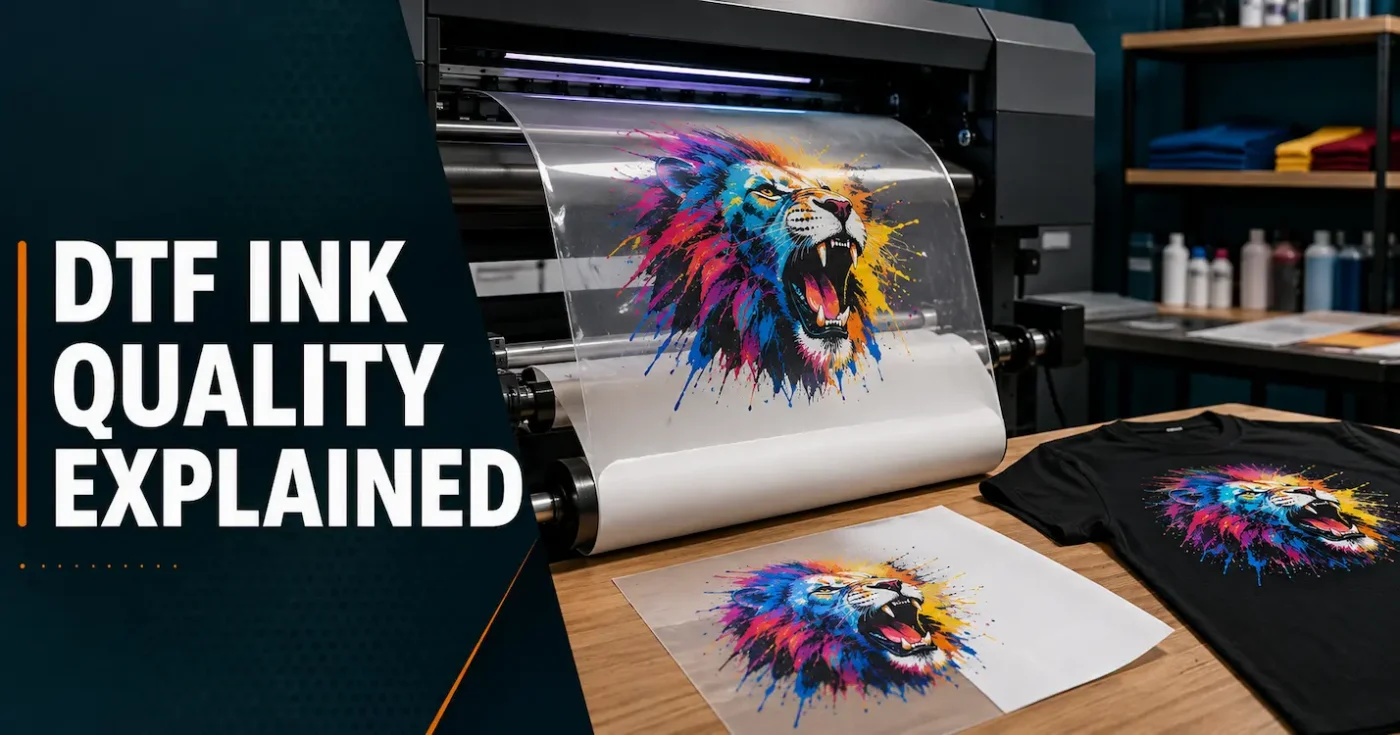
DTF ink quality matters, but ink does not work alone. White opacity, colour profiles, printer maintenance, film, adhesive, curing, application and garment choice all influence the finished transfer. Learn what to compare and which claims deserve a closer look.
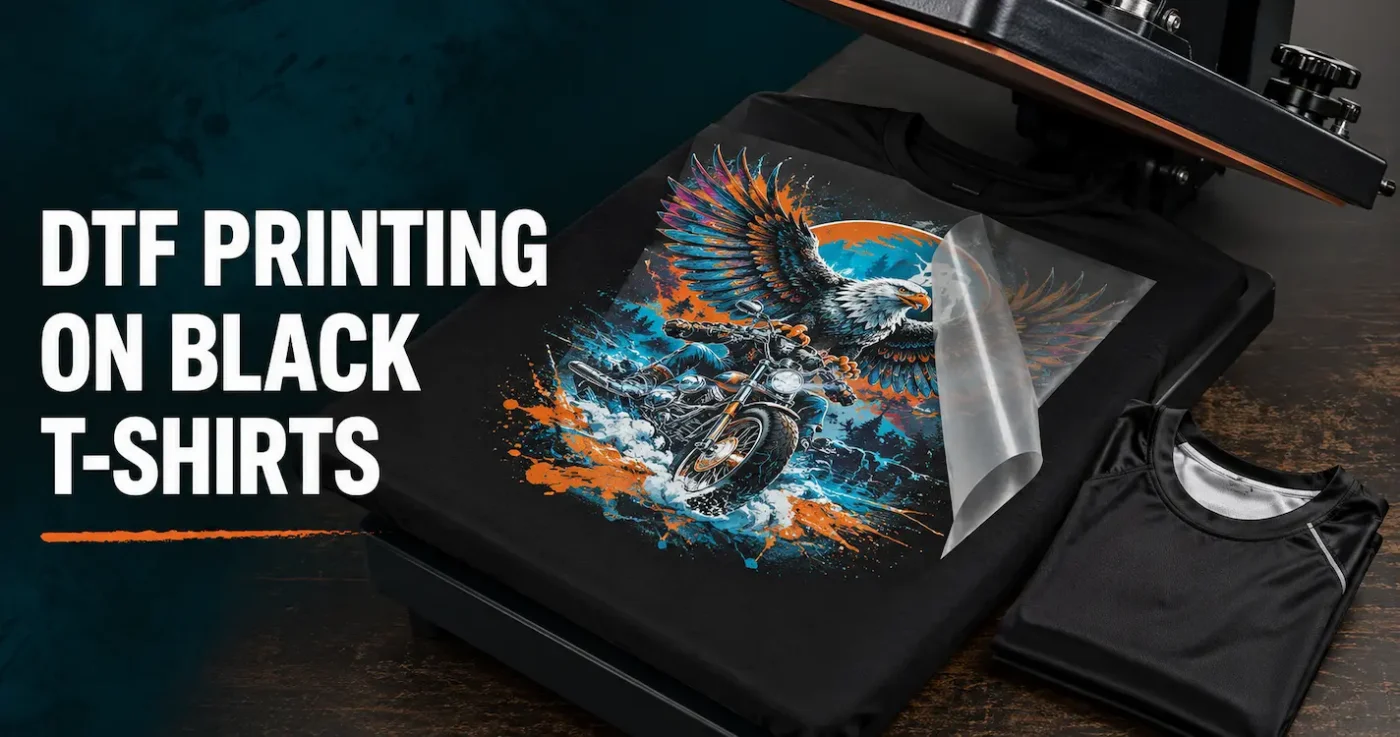
Black T-shirts make an excellent background for DTF printing, but the best result depends on the artwork, garment and heat-press settings working together. Learn how to prepare the design, use the shirt as negative space, choose between cotton and polyester, and avoid common pressing problems.
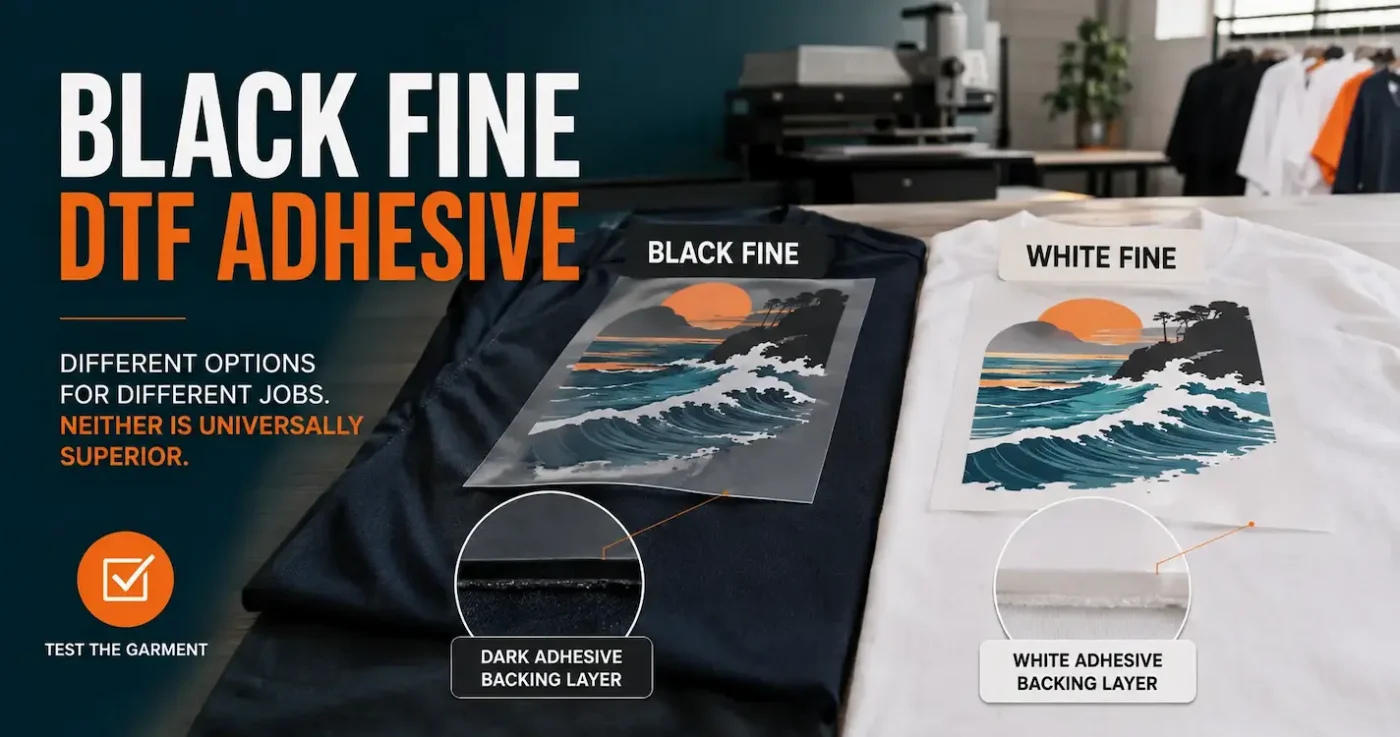
Black Fine DTF adhesive can be useful for selected dark and dye-prone garments, but it is not automatically better than White Fine. Learn what it does, where it may help and why testing is essential.
A profitable T-shirt price must cover much more than the blank garment and transfer. Learn how to include labour, overheads, wastage, selling fees and GST treatment, then calculate a price using your target margin.
Great T-shirt artwork must work on fabric, not only on a screen. Use these practical tips to improve typography, contrast, composition, print size, placement and negative space before ordering your DTF transfers.