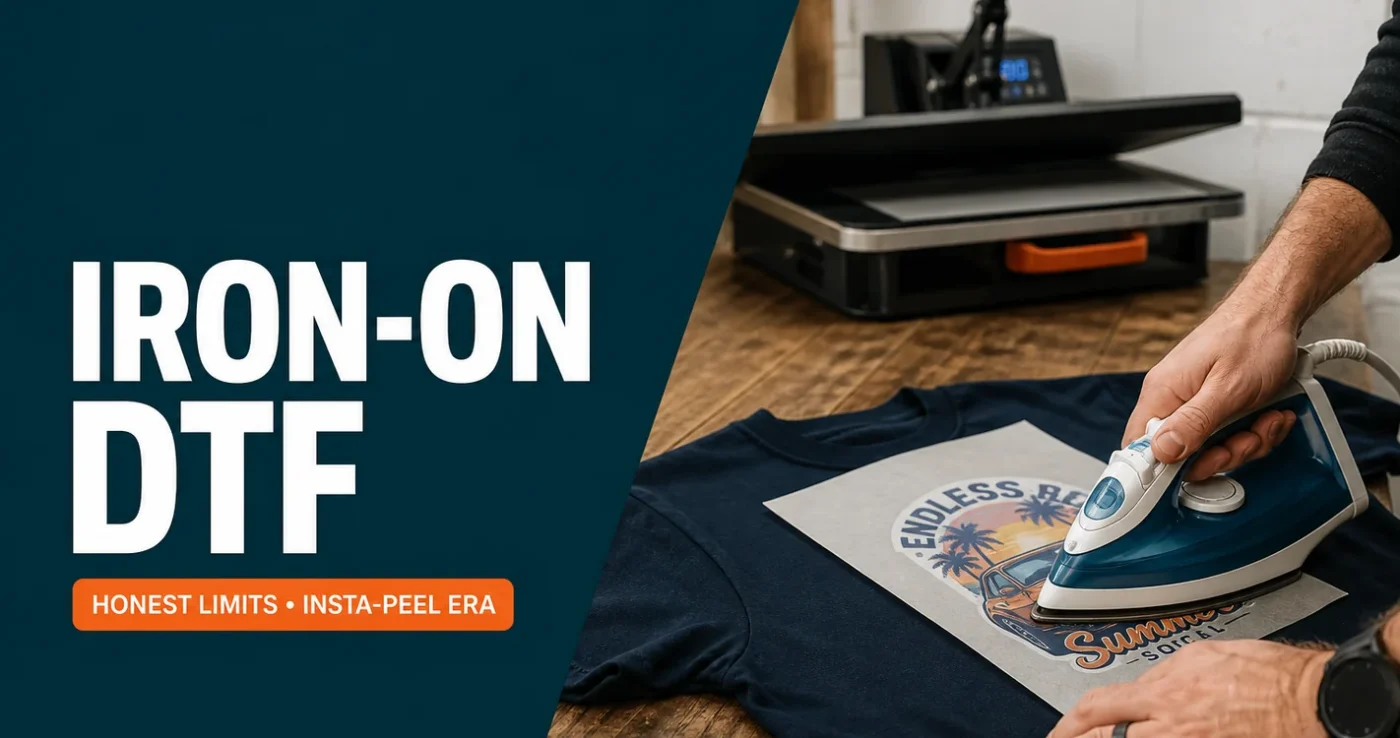
Create custom T-shirts at home with dedicated Iron-On DTF transfers. Learn which transfers suit a household iron or craft press, how to prepare and apply your design, and when a proper heat press is the better choice for consistent results.
Category Archives: Pressing and Care
How to heat-press DTF, store film, and look after the print. Moisture, EasyPress, polyester, hoodies and everyday care.
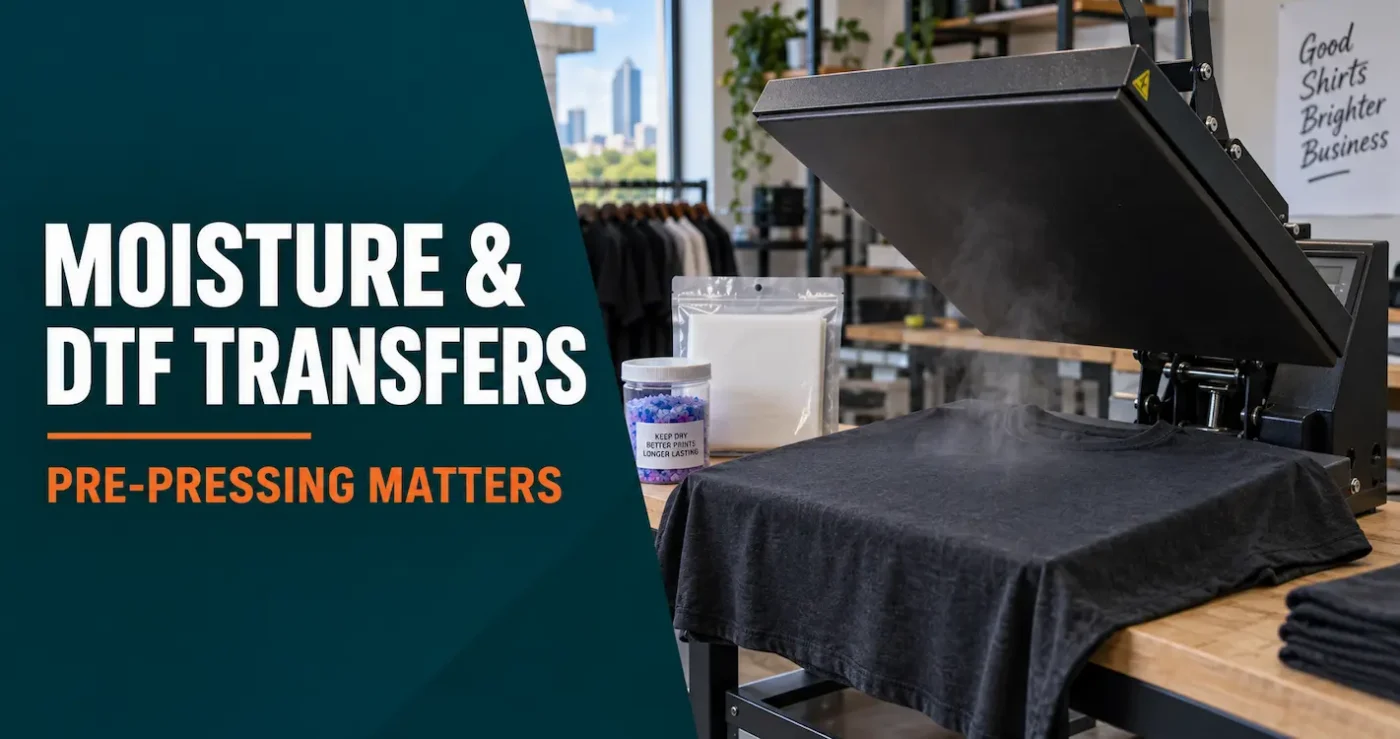
Moisture can hide inside garments and affect stored DTF transfers. Learn why pre-pressing matters, how to recognise moisture-related problems and how to improve adhesion before starting a production run.
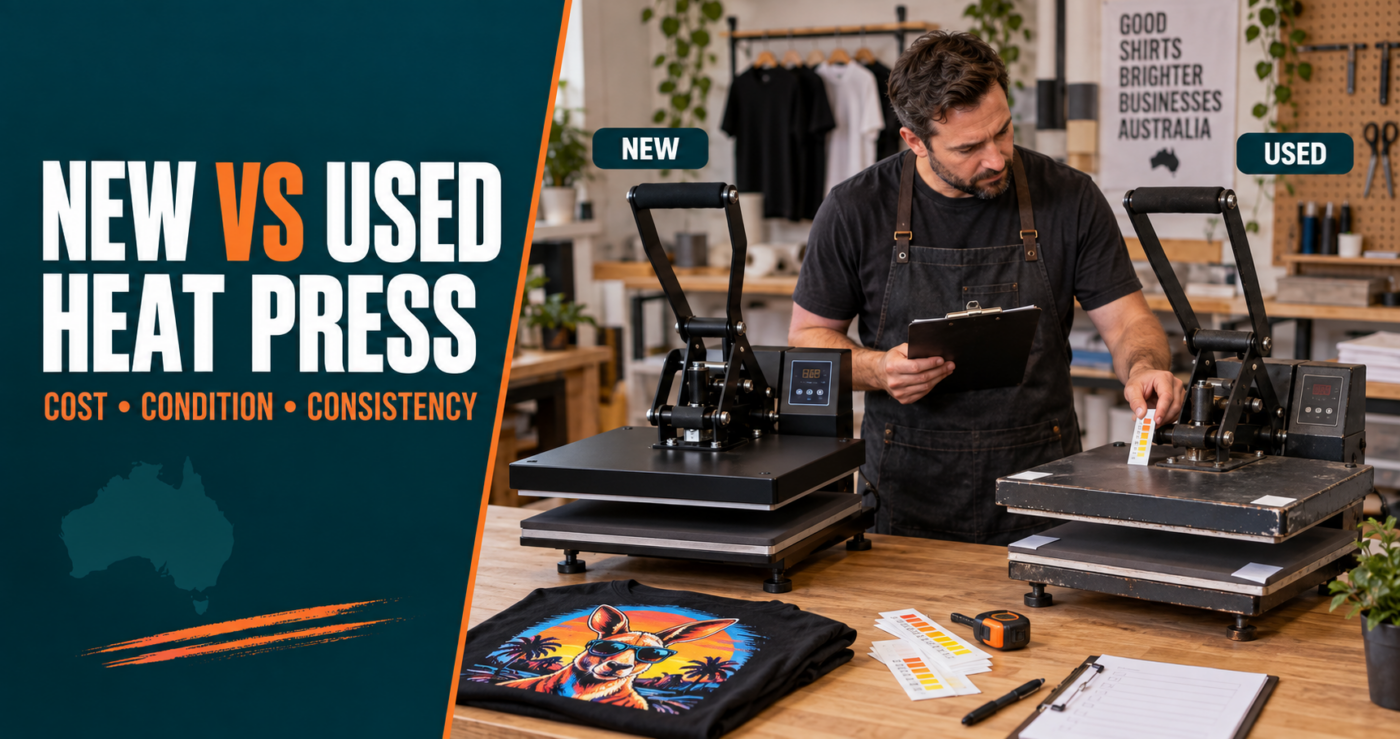
Should you buy a new or used heat press for DTF transfers? Compare reliability, warranty, price and total ownership cost, then use our practical inspection checklist to test temperature accuracy, even pressure, electrical condition and production performance before you invest.
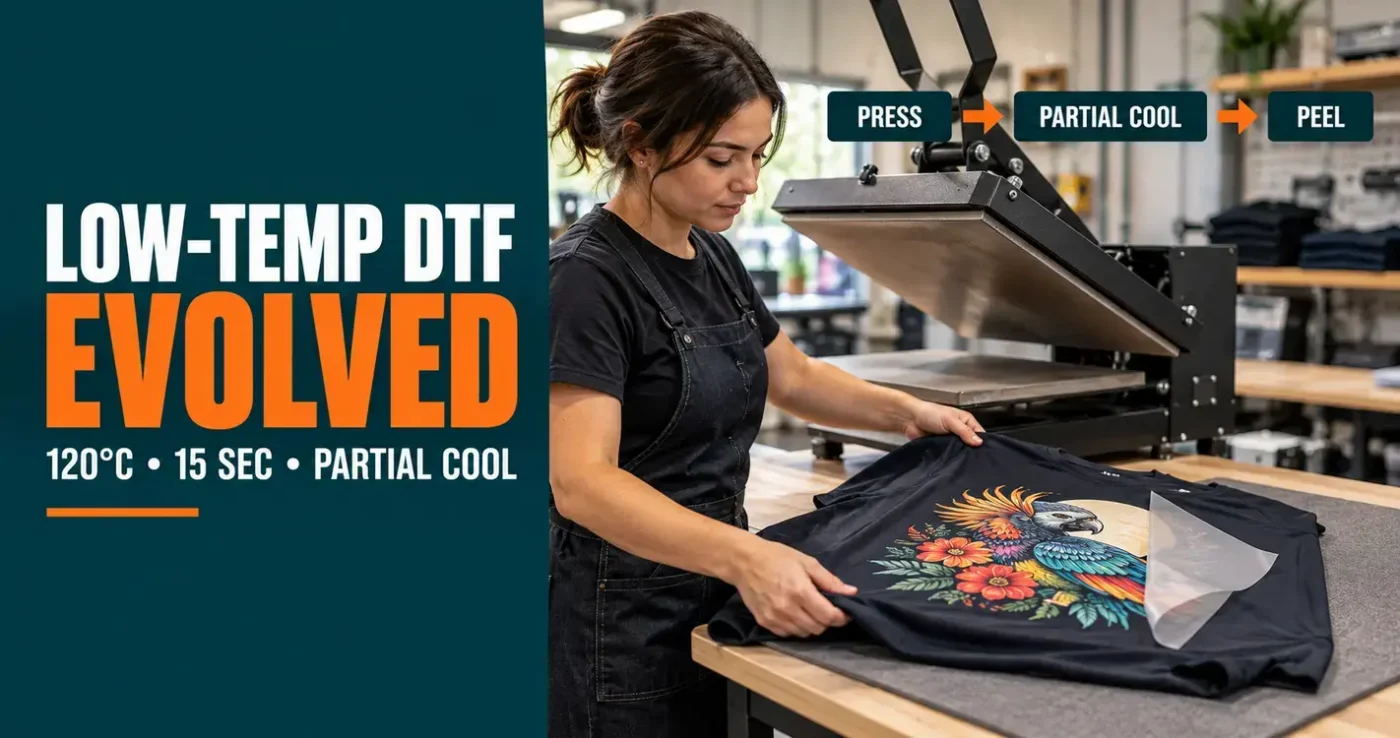
Our dedicated Low Temperature DTF adhesive has been discontinued as film and transfer technology has evolved. This updated guide explains what replaced the old Low Temp Hot Peel range, how current Insta-Peel transfers can be applied to polyester, and why testing remains essential for dye migration and heat-sensitive garments.
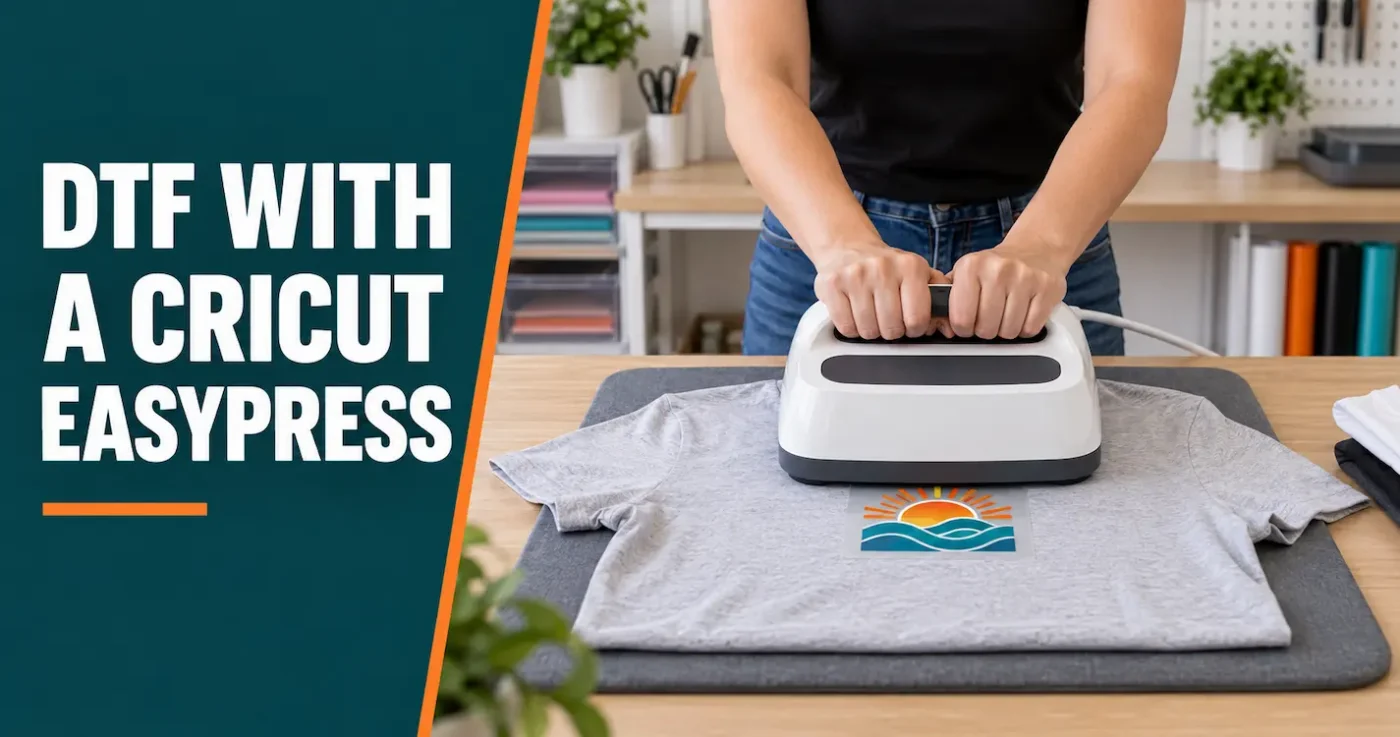
A Cricut EasyPress can apply DTF transfers made specifically for iron-on or craft-press use, but it is not suitable for every DTF product. Learn which transfers to choose, how to prepare a firm pressing surface, and how to manage heat, pressure, peeling and larger designs safely.
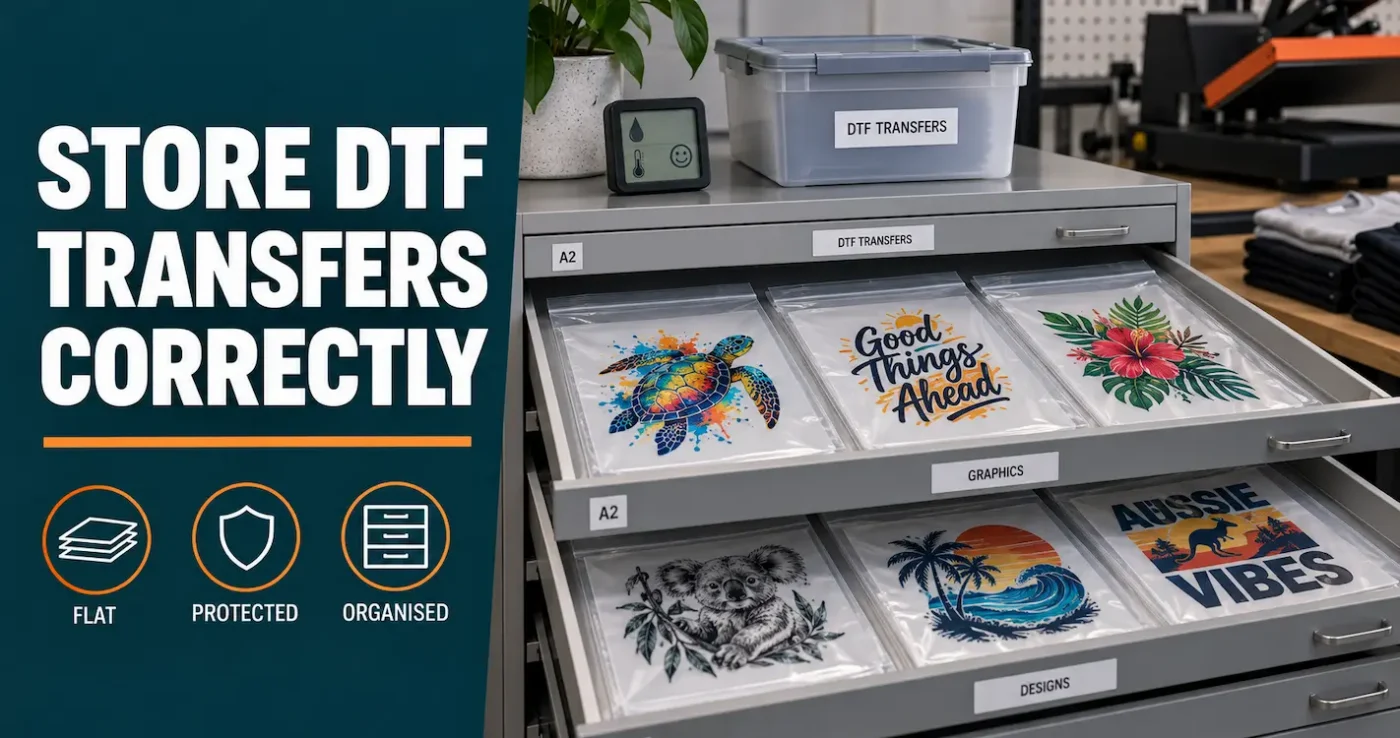
Store unused DTF transfers flat, sealed and protected from humidity, heat, sunlight, dust and creasing. This practical guide explains short- and longer-term storage, stock rotation, warning signs and when to press-test an older transfer before using it on a customer’s garment.
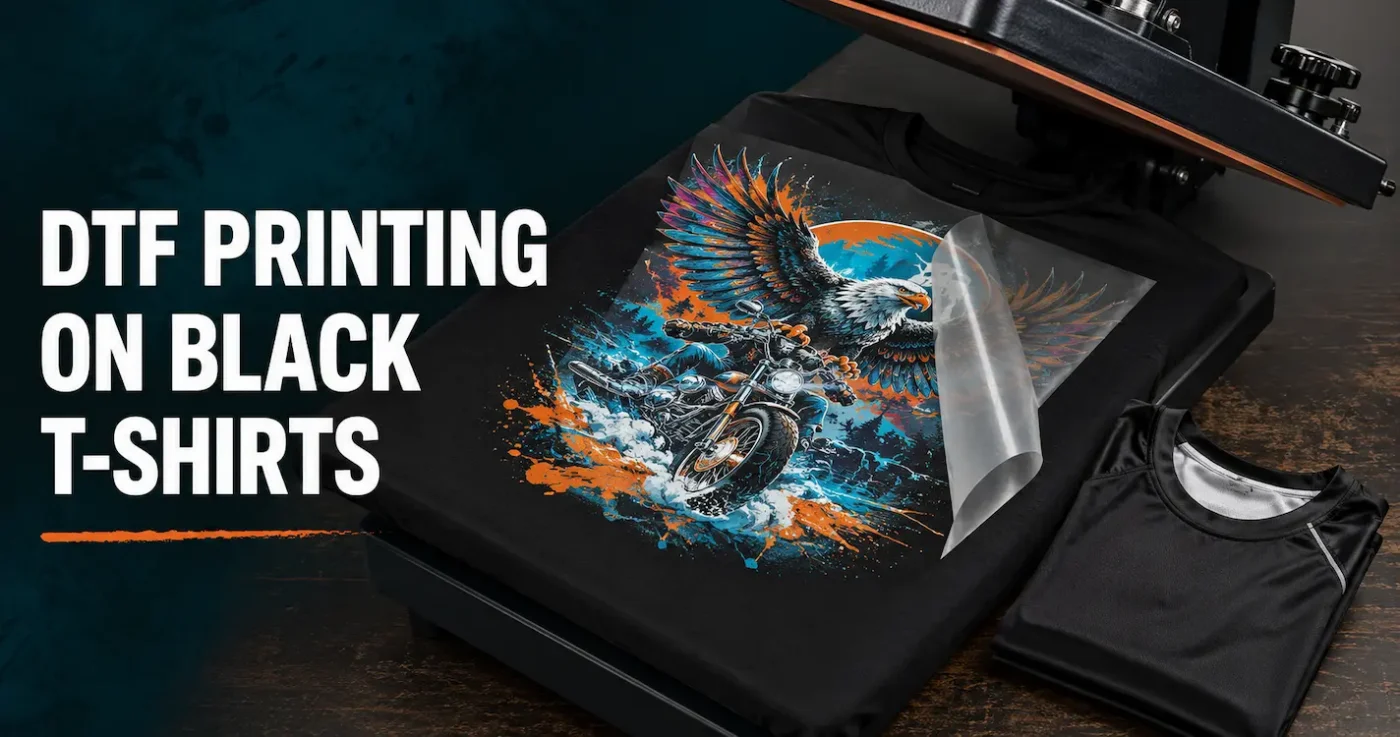
Black T-shirts make an excellent background for DTF printing, but the best result depends on the artwork, garment and heat-press settings working together. Learn how to prepare the design, use the shirt as negative space, choose between cotton and polyester, and avoid common pressing problems.
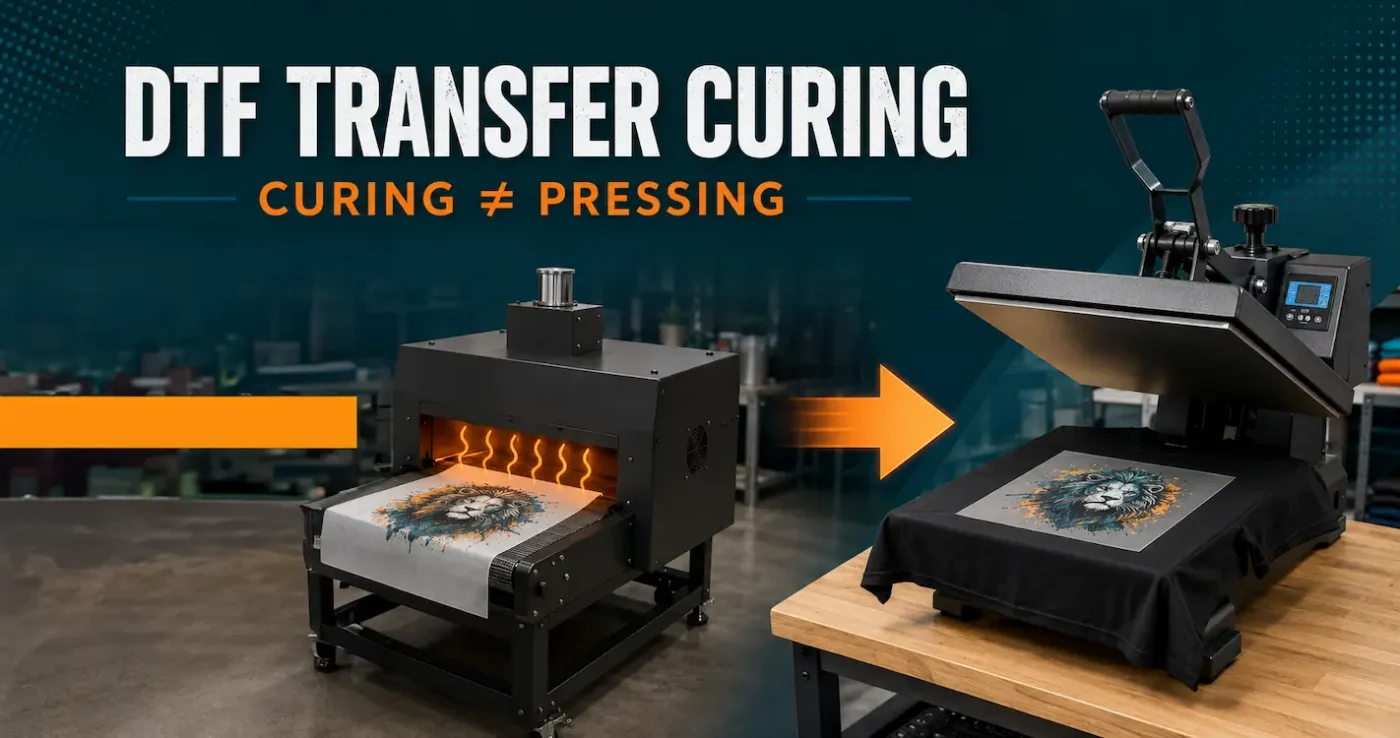
DTF transfer curing happens during production, before a transfer reaches your heat press. Learn how curing affects adhesion and durability, how it differs from pressing, and how to apply ready-to-press transfers correctly.
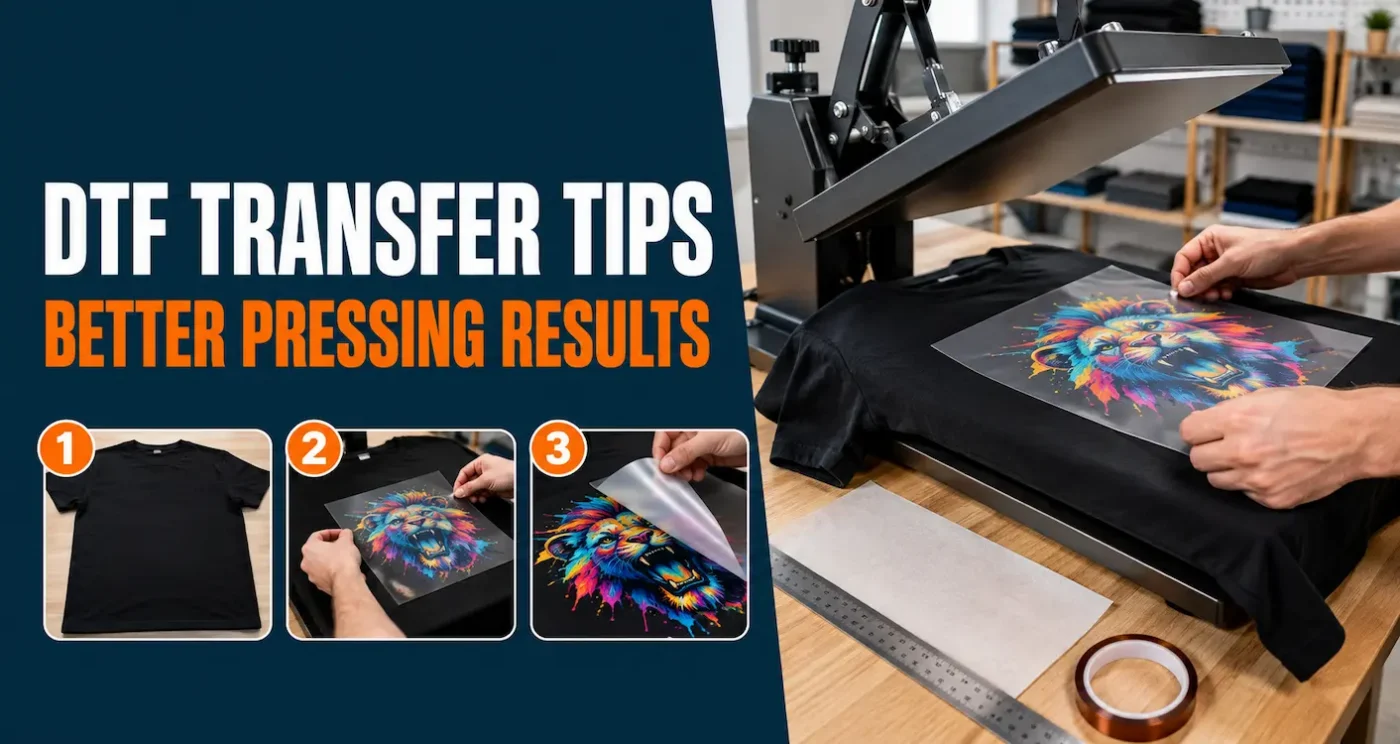
Better DTF results come from controlling the basics: suitable artwork, a dry garment, even heat and pressure, an immediate hot peel and a proper final press. This practical guide explains the complete workflow, current Insta-Peel starting settings and how to solve common application problems.
Learn how to apply DTF transfers to hoodies and sweatshirts while managing fleece moisture, thick seams, pockets, drawcords, fabric blends, print placement and Insta-Peel settings.
- 1
- 2