31
May
May
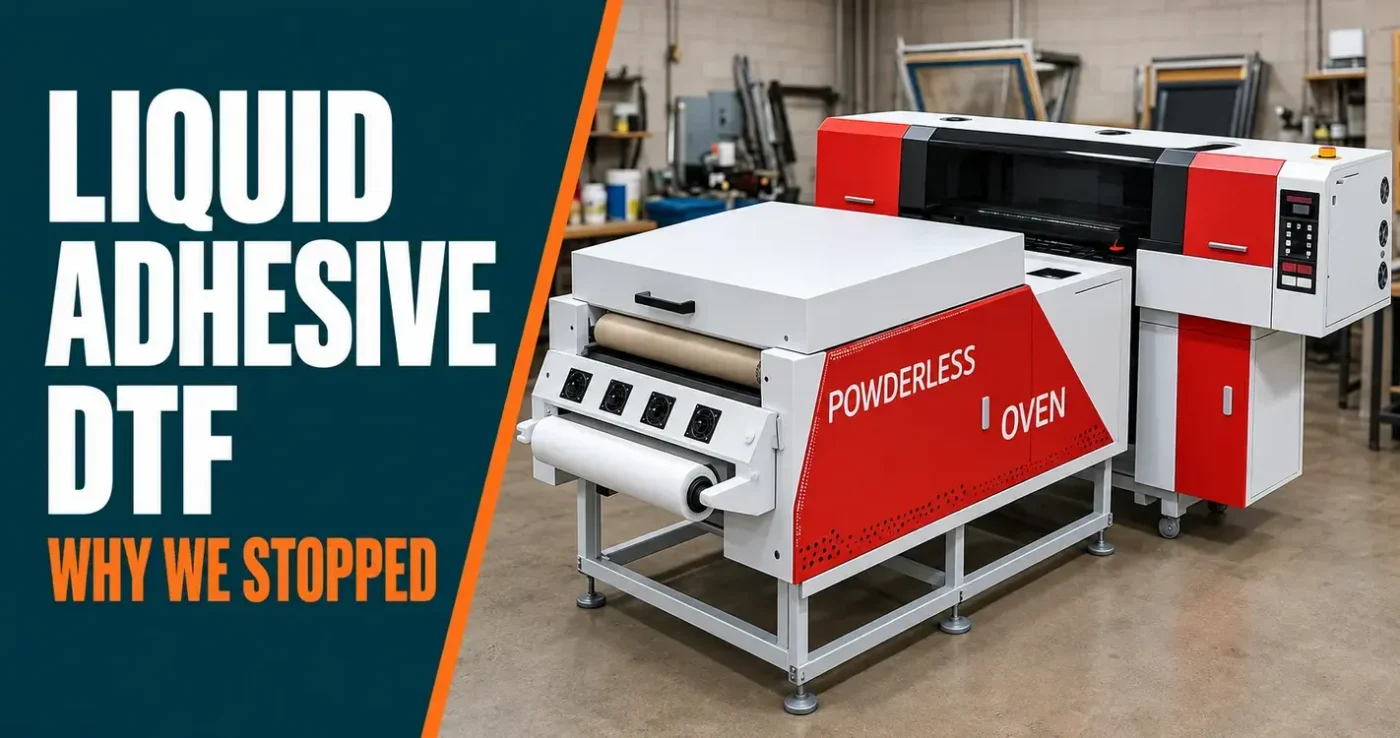
Liquid-adhesive DTF transfers promised softer prints and a cleaner workflow. After producing and selling them, we found the pressing, production and durability tolerances too narrow for reliable ready-to-press use.

Liquid-adhesive DTF transfers promised softer prints and a cleaner workflow. After producing and selling them, we found the pressing, production and durability tolerances too narrow for reliable ready-to-press use.
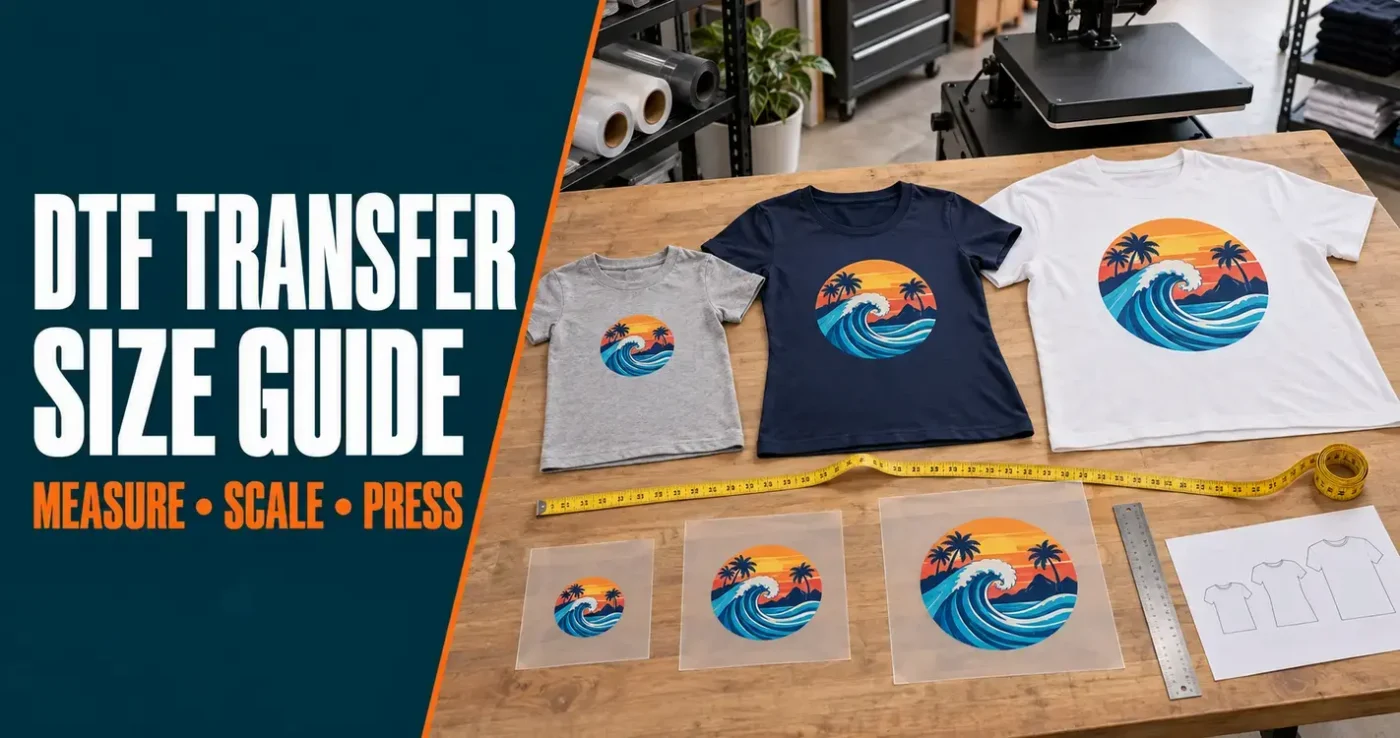
Learn how to choose and scale DTF transfer sizes for children’s, fitted and adult garments. Includes practical print-width charts, placement advice, resolution calculations and gang-sheet planning tips.
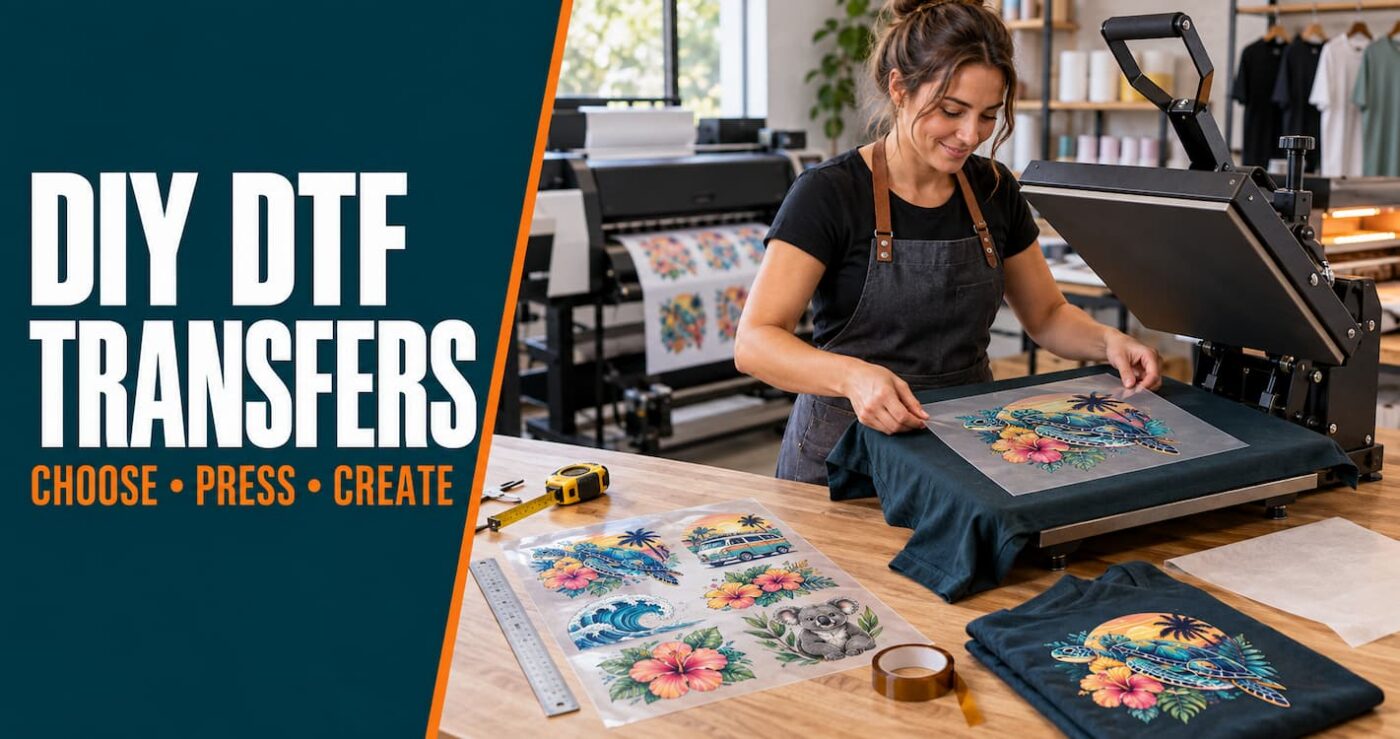
DIY DTF does not mean you have to buy a printer. Most people in Australia should order ready-to-press transfers and press them onto their own shirts. Use a heat press for standard film. A household iron is only for transfers labelled iron-on. A Cricut EasyPress is fine when the platen fully covers the design. Buy a printer later, if the orders are already there.
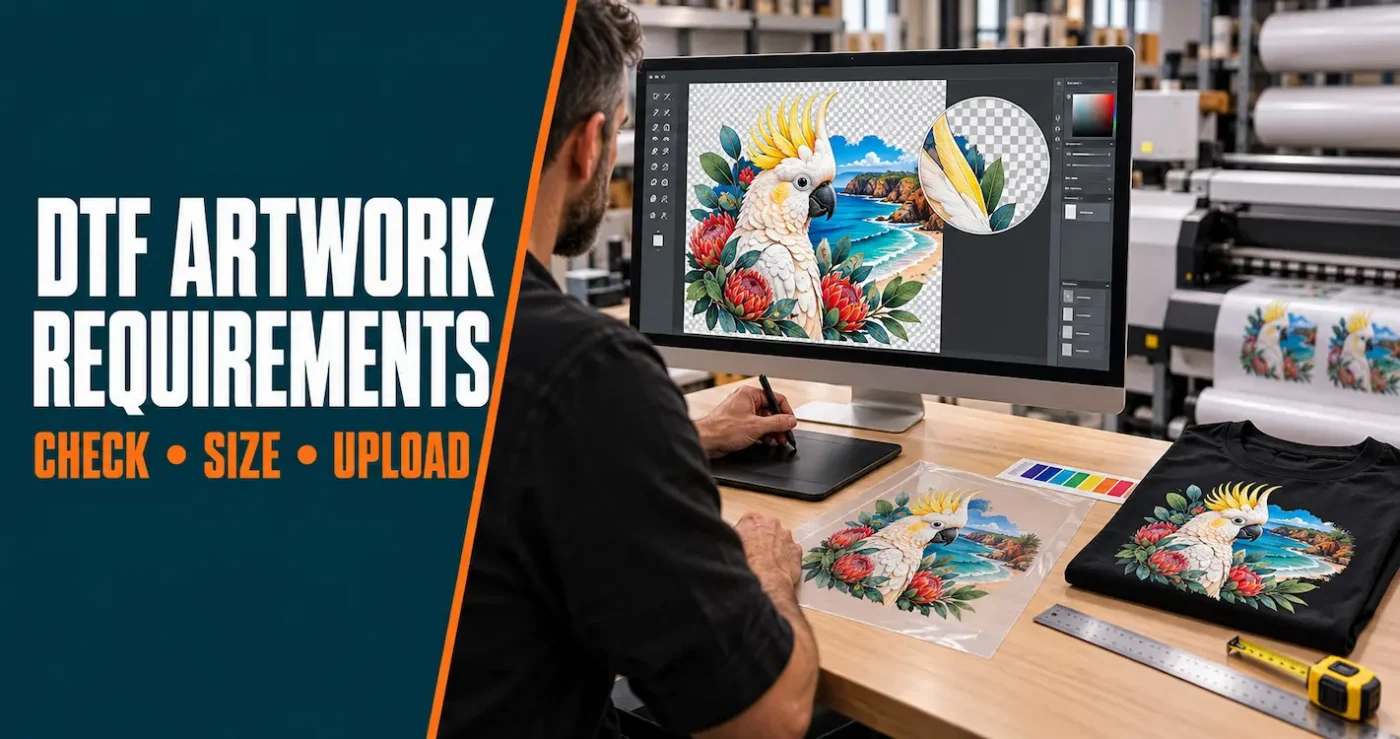
Prepare your artwork correctly before ordering DTF transfers. This practical guide covers PNG files, transparent backgrounds, 300 DPI resolution, print sizing, colour, fine details, halftones and common artwork problems.
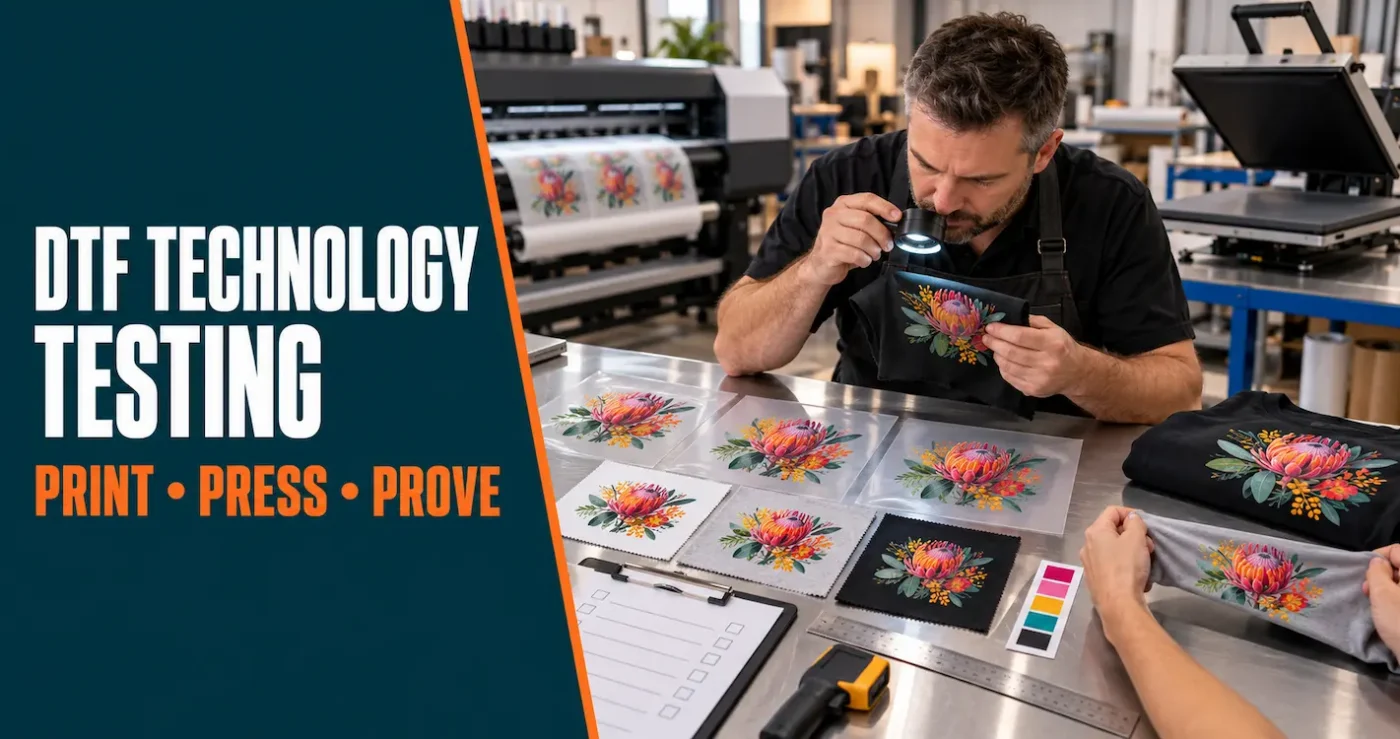
A good-looking sample is only the beginning. Explore how DTF Transfers Australia evaluates print quality, pressing tolerance, garments, washing and production reliability, with lessons from our liquid-adhesive experience.
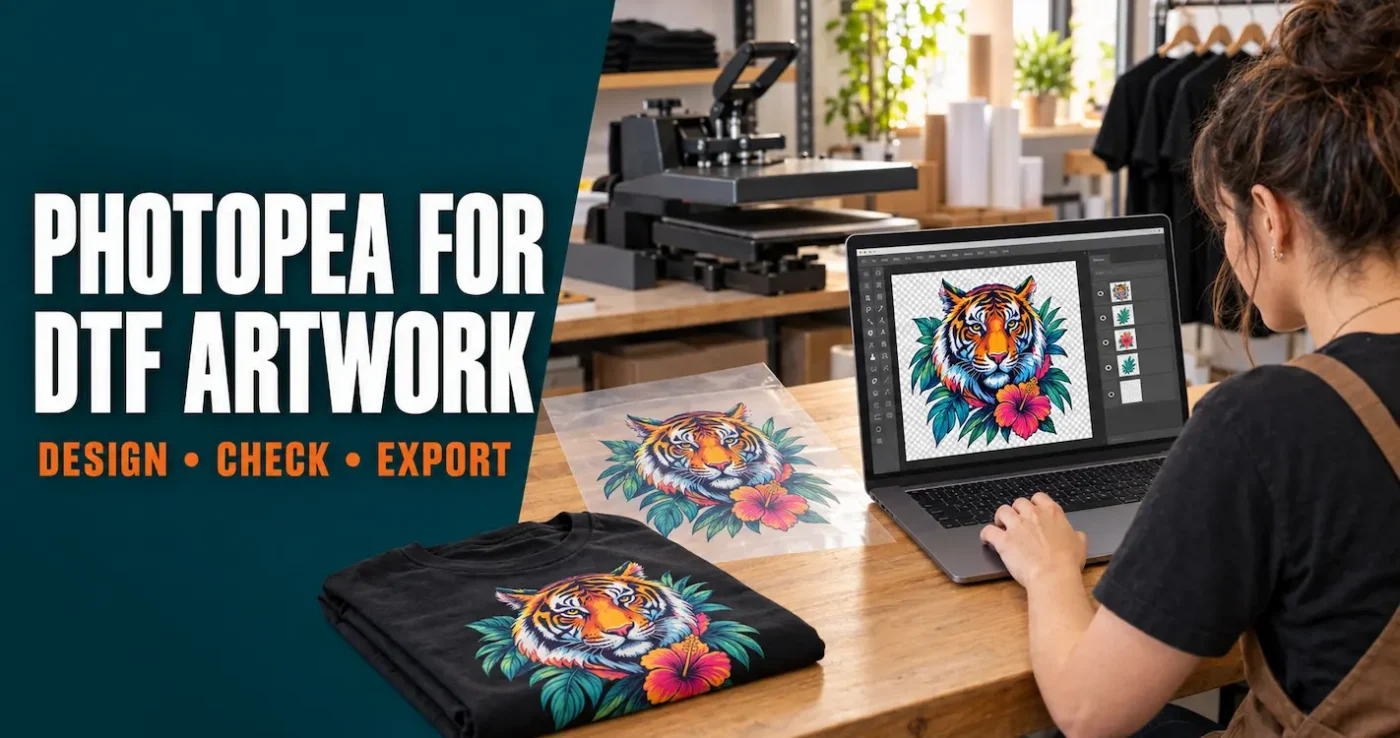
Learn how to prepare print-ready DTF artwork in Photopea, the free browser-based Photoshop alternative. This practical guide covers image size, 300 DPI, transparent backgrounds, masks, edge clean-up, PNG export and final file checks for better transfers.
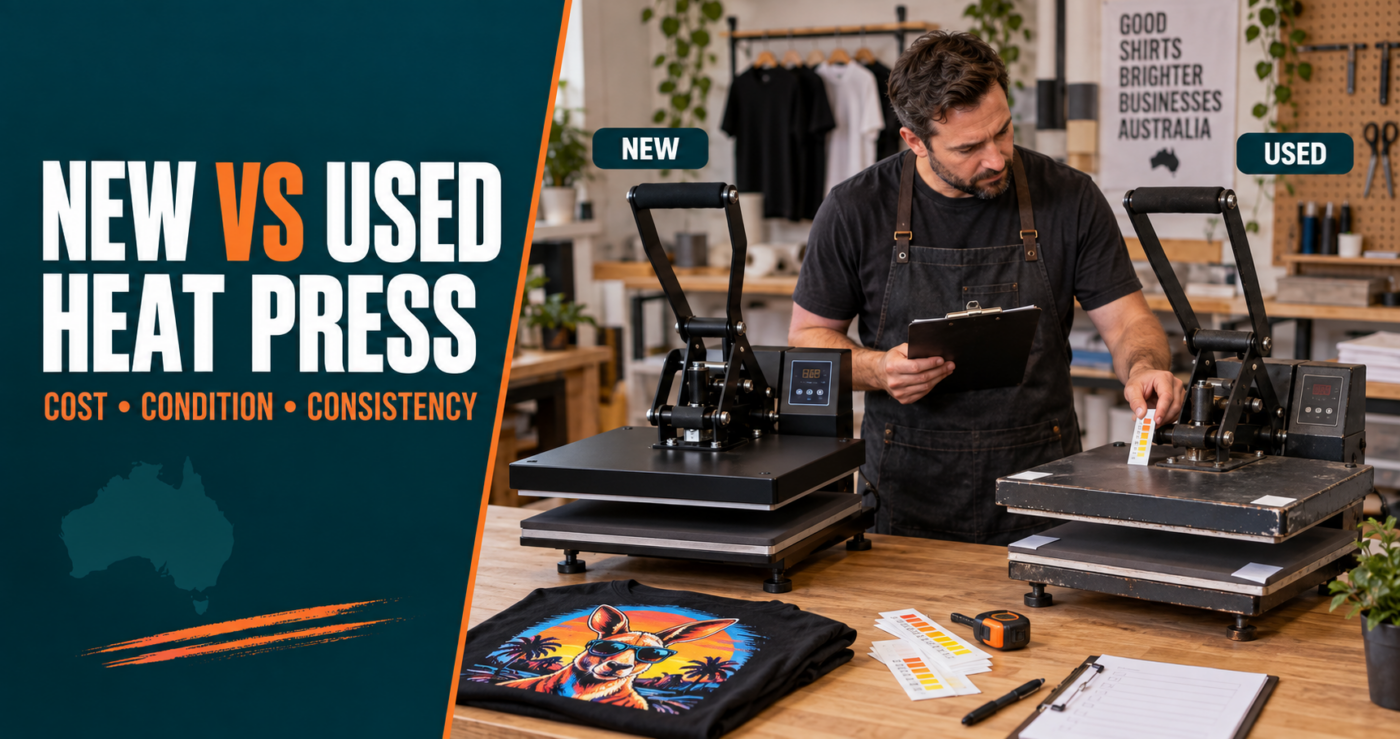
Buy the heat press that holds an even temperature and even pressure, with parts you can get in Australia. A new press is the safer buy when a breakdown stops orders. A used commercial press can be the better machine if you test it from cold and the saving is real after freight and parts. A household iron is not a substitute for standard DTF.
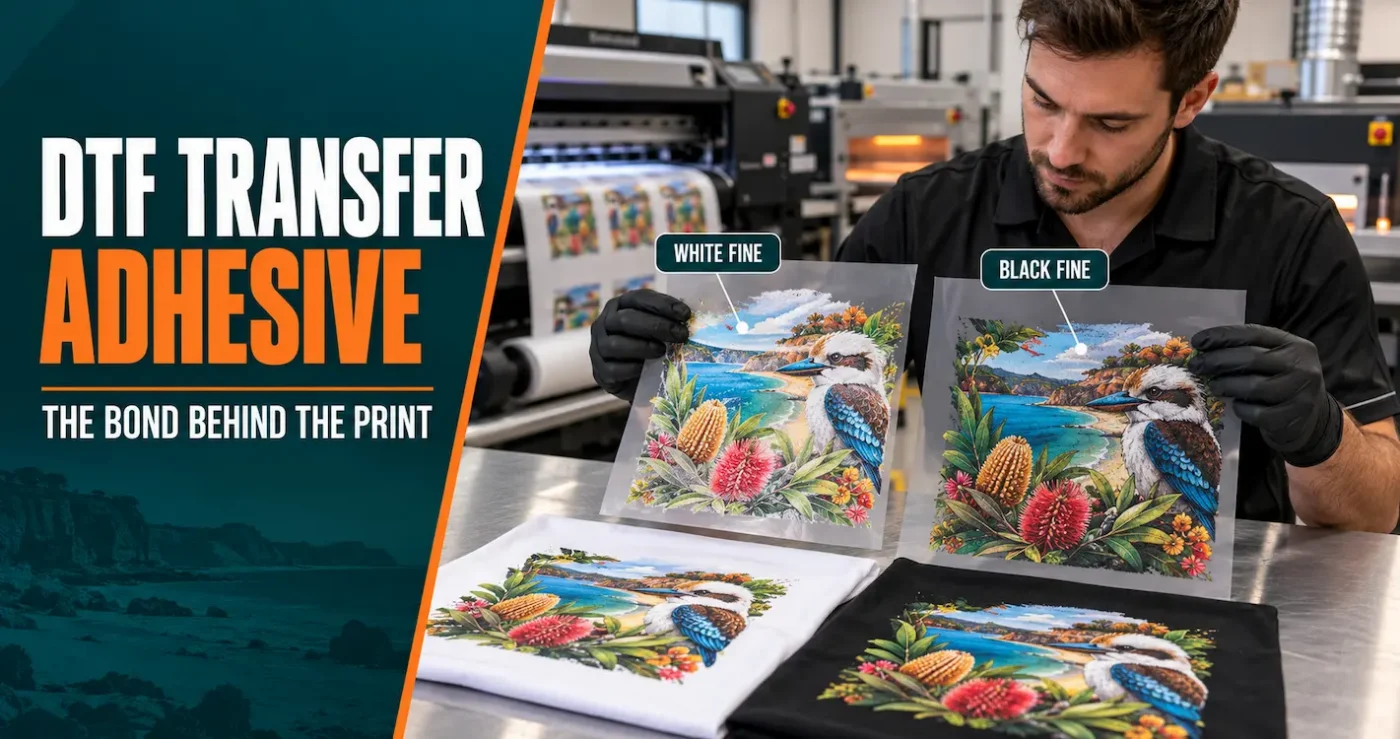
DTF transfer adhesive is the bond between the printed design and the garment. Learn how adhesive is applied and cured, why we currently use White Fine and Black Fine adhesive, how moisture affects performance and what customers can do to achieve reliable, durable results.
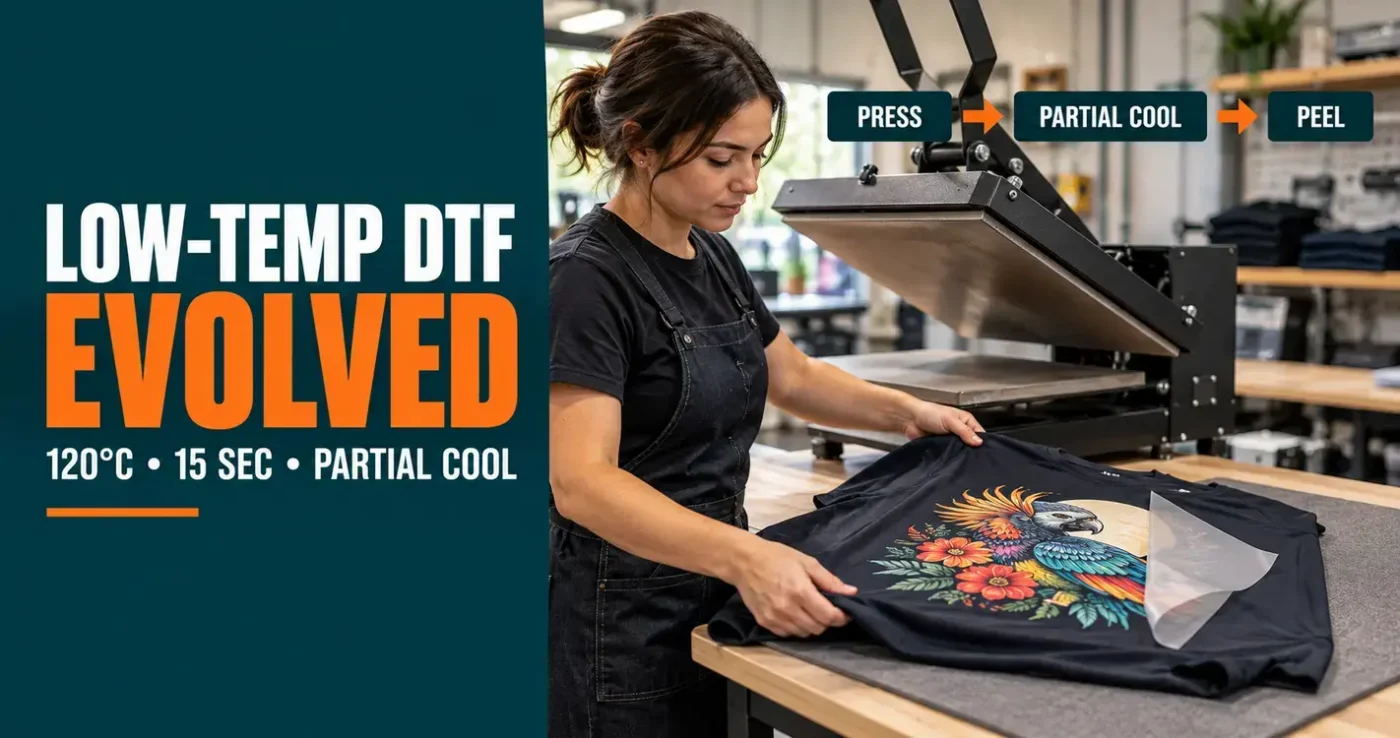
Our dedicated Low Temperature DTF adhesive has been discontinued as film and transfer technology has evolved. This updated guide explains what replaced the old Low Temp Hot Peel range, how current Insta-Peel transfers can be applied to polyester, and why testing remains essential for dye migration and heat-sensitive garments.
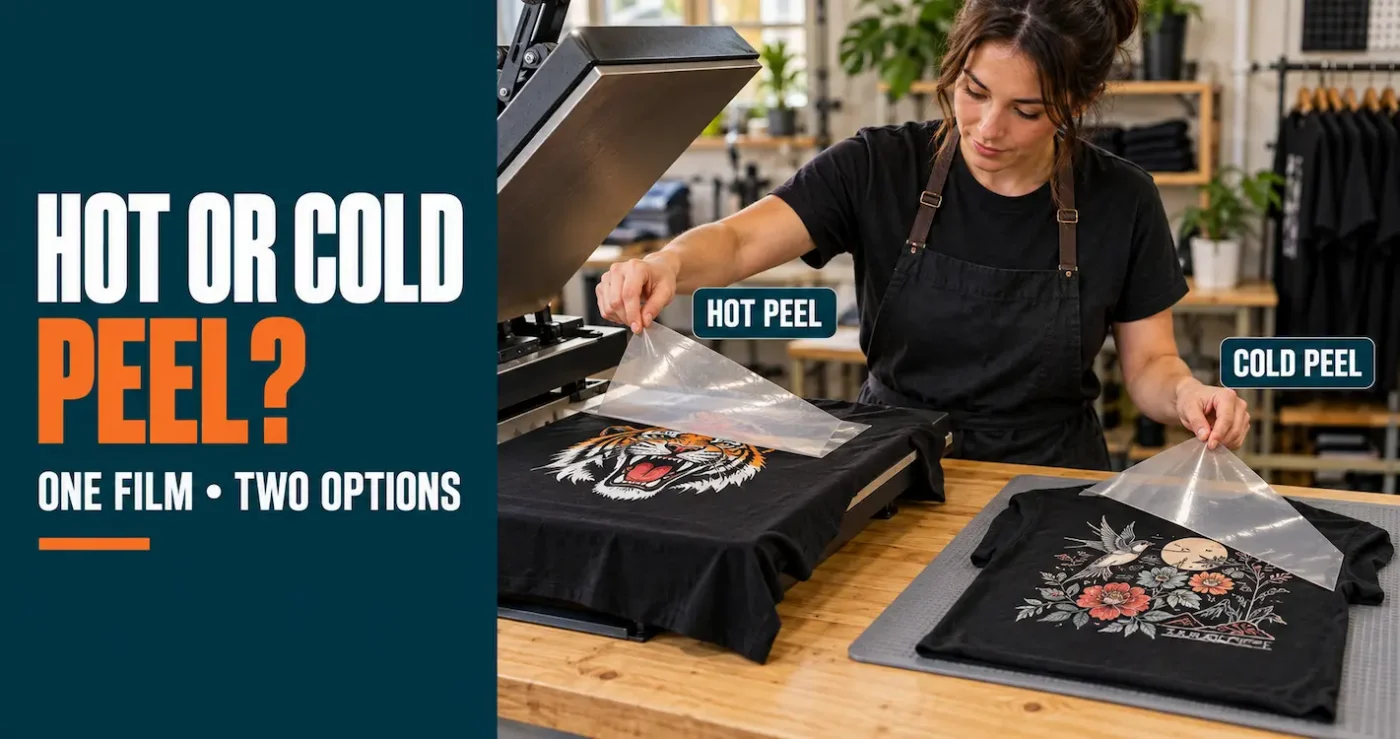
Hot peel and cold peel are when you lift the carrier, not two different films you have to buy. On our Hot Insta Peel, cotton and most fabrics peel the moment the press opens: 140°C, 8–10 seconds, firm. Polyester is a cold peel: 120°C for 30 seconds, firm, then a 10-second second press at 120°C. Specialty finishes always peel cold. A household iron is only for iron-on film.